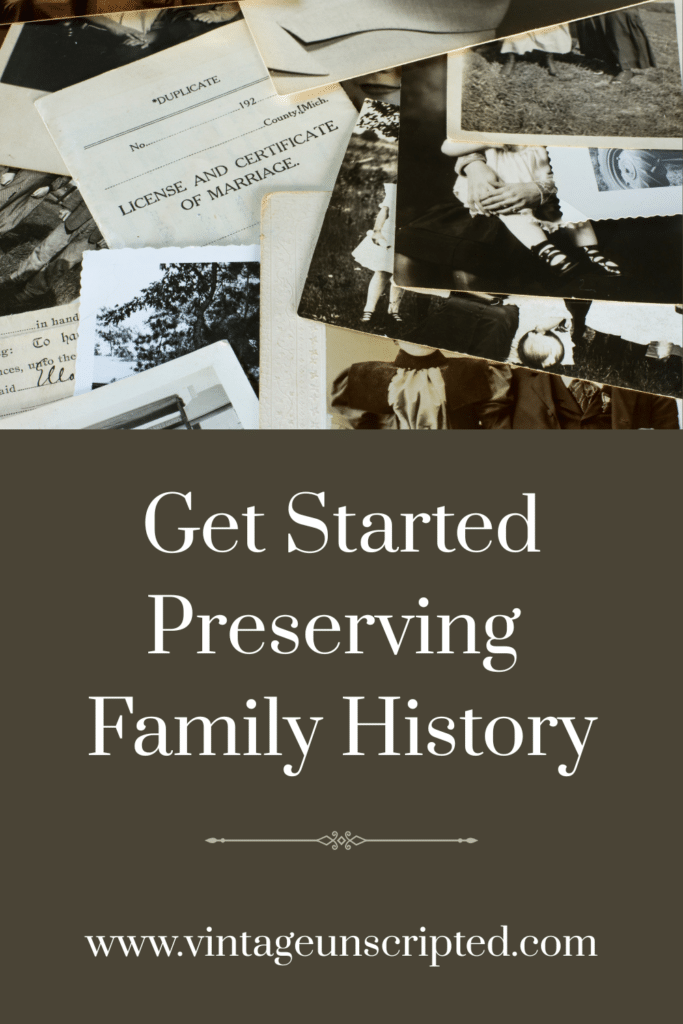
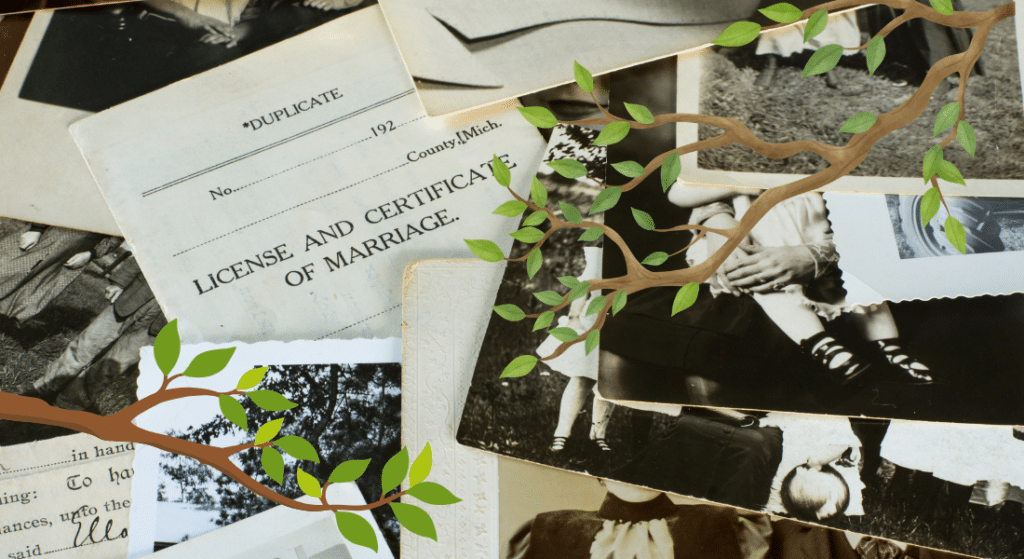
Let’s talk about preserving family history. How do you pass down family knowledge? How do you share the who’s who of your ancestors, familial connections, the stories told over generations, the photos, documents, items collected and passed down through the ages?
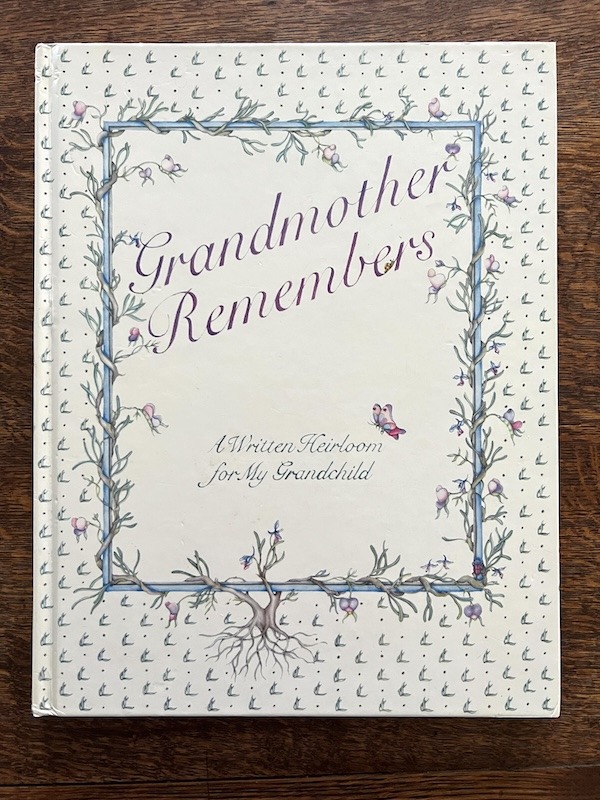
Start where you are, with those in your immediate family. Log information on the backs of photos. Write down stories, or record them on video or audio. Gather important documents such as old passports, diplomas, quitclaim deeds, records of ownership of land, buildings, vehicles, livestock, etc. Fill out baby books with periodic insights, milestones and observations. You can pick up books with prompts that make it easy to fill out with familial information with titles such as Grandmother Remembers. Start a journal or diary adding notations on family outings, silly happenings, and events such as birthdays, anniversaries, and holidays. Include who was there, what happened, perhaps even food served alongside family recipes.
Create habits like taking annual family photos or holding family reunions. Include yearly school photos along with documenting first and last days of school with side by side photos. These can be added to a digital file or done analog. Either way, start a file, and add to it regularly.
When items are passed down from one member to another, ask questions about both the origin of the item as well as the meaning and emotions attached to it. Did it come from a favorite person? Was it a gift commemorating a special occasion? Perhaps something used for a specific ceremony such as a wedding, confirmation, baptism, or graduation. Write down the information regarding the item as well as the date. Over time this will build a history that can be passed down.
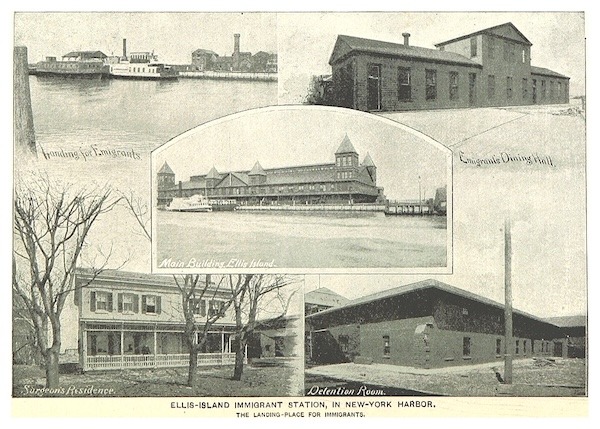
If you have family members who served in the military, emigrated to a new country, were the first in the family to start a business, get a degree, or reach some other milestone, ask about what they did, how it felt at the time, what obstacles they had to overcome, what decisions they had to make and how those things affected them and those around them. Take notes or record their answers.
To learn about relatives who have passed there are many websites that can offer up information with a bit of research. Census records, ship manifests, Ancestry.com, FindaGrave.com, Ellis Island records, and so many more can be accessed and searched for everything from birth dates to occupations, addresses, origins and more.
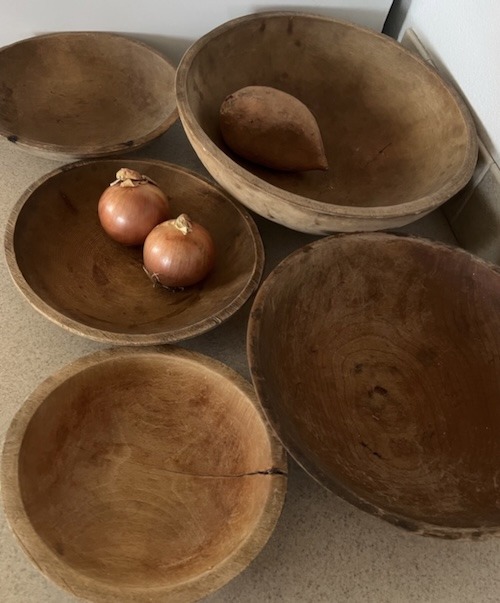
While we clearly love our vintage, knowing the stories behind these items brings them back to life. Understanding that a time worn dough bowl was used by your great grandmother when making bread for her family adds meaning to the nicks, scrapes, and discoloration along the edges. Or finding a picture of your grandfather wearing the pocket watch passed down to your son makes it worth so much more meaning than if you didn’t have that bit of information.
These are some of the ways to connect to our past and pass on our values to our future children, grandchildren, and beyond. For millennia humans have told stories, passed information down to the next generations and learned from our elders. In our online, fast moving world, it’s easier than ever to forget our past, but it’s also easier to preserve it. Make a plan to preserve your family history. Your descendants will be glad you did.
Some sites to get you started:
Some of these sites require payment or subscriptions.