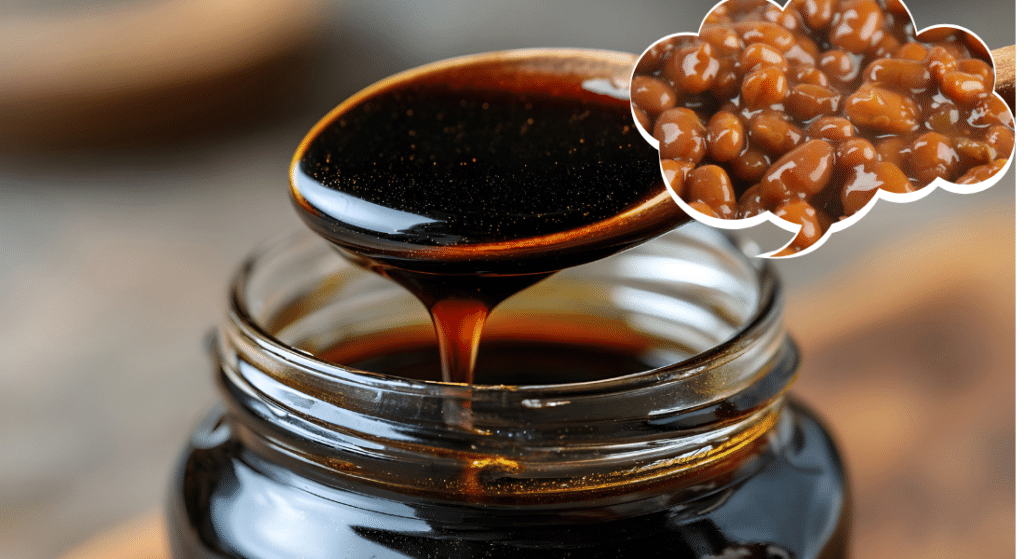
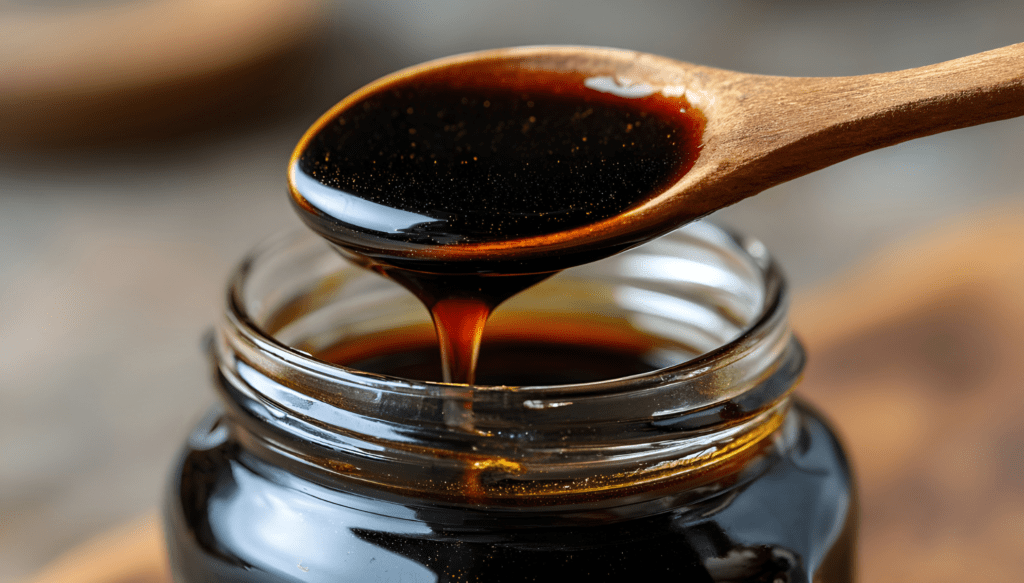
America has a long history with molasses. It’s been part of our diet since colonial times when it was favored over sugar because it was cheap, traveled better on ships and could be stored forever. Molasses is actually a byproduct of sugar production. Sugar cane and/or sugar beets are crushed to extract juice. The juice is boiled to make sugar crystals and the thick, delicious liquid left behind is molasses.
There are three kinds of molasses. Light molasses is from the first boiling of cane syrup and is light in color and sweet. Dark molasses is thicker and tastes sharper and less sweet. When you imagine the taste of gingerbread or molasses cookies, you are thinking about dark molasses. And blackstrap molasses is the result of a third boil. It’s thicker, very bitter, metallic tasting and salty from all the concentrated vitamins and minerals.
Part of the molasses history in America is the role it played in the colonial slave trade.
Molasses’s history in New England is ugly. The molasses trade was predatory, mercenary and tragic. It fueled the enslavement of Africans. Merchant ships brought molasses north from the Caribbean. New England distilled it into rum because rum was big business. The rum was transported to Africa, where it was directly traded for humans. If you want read more about colonial era triangular trade, there are links at the bottom.
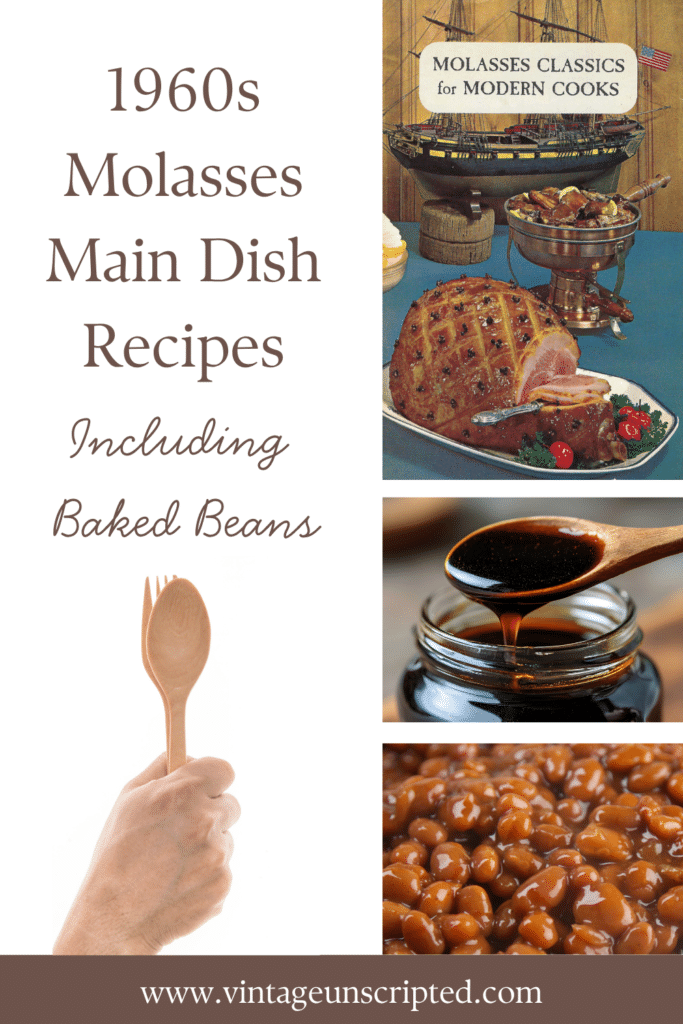
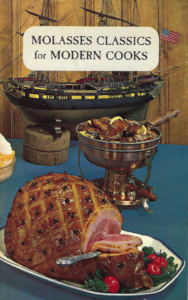 This 1962 recipe booklet, Molasses Classics for Modern Cooks, was produced as a promotional vehicle for Grandma’s Molasses by the Boston Molasses Co., which was a subsidiary of the American Molasses Co, which was a division of SuCrest Corp. It features a lot of New England based recipes, including the mother of all New England molasses recipes, Baked Beans.
The concept of baking beans started with indigenous people. Beans are native to America and were part of the agricultural “three sisters,” beans, corn and squash, long before Europeans arrived. There is archaeological evidence that first peoples used earthenware pottery to cook in holes in the ground lined with hot rocks and embers. Like many other skills, it is likely that European settlers learned the method from them.
Some food historians point out that stories of the native peoples kindly teaching the settlers proliferated in the 1800s as an effort to cozy up the America origin story. They’ll tell you there were no written recipes for baked beans until around 1830. They’ll tell you that there are no written artifacts from the early settlers mentioning learning how to bake slow and low in the ground. And they’ll make sure you know that Europeans cooked peas and fava beans with pork products to make pease porridge.
So it’s up to you to decide what the actual origin story is for baked beans. What you can know for sure is that the Puritans cooked them starting on Saturday so they would be warm and ready for Sunday, allowing them to adhere to the religious restriction of no work on the Sabbath. And that the Henry HJ Heinz company offered canned baked beans as a luxury item in 1886. By the mid 1890s, Heinz was churning them out for everyone.
You don’t need a hole in the ground or an earthenware pot to make 1960s style baked beans. All you need is an oven and a casserole dish. Imagine how great the house will smell with simmering molasses perfuming it for 6-8 hours.
It’s important that you don’t skip boiling the beans. Dry beans contain a natural plant toxin, phytohaemagglutinin or PHA, that is removed by boiling for at least 10 minutes. This Boston Baked Beans recipe has you boil them for 2 minutes, let them stand and then heat again. Nothing is lost in being safe and boiling them for 10 minutes to start.
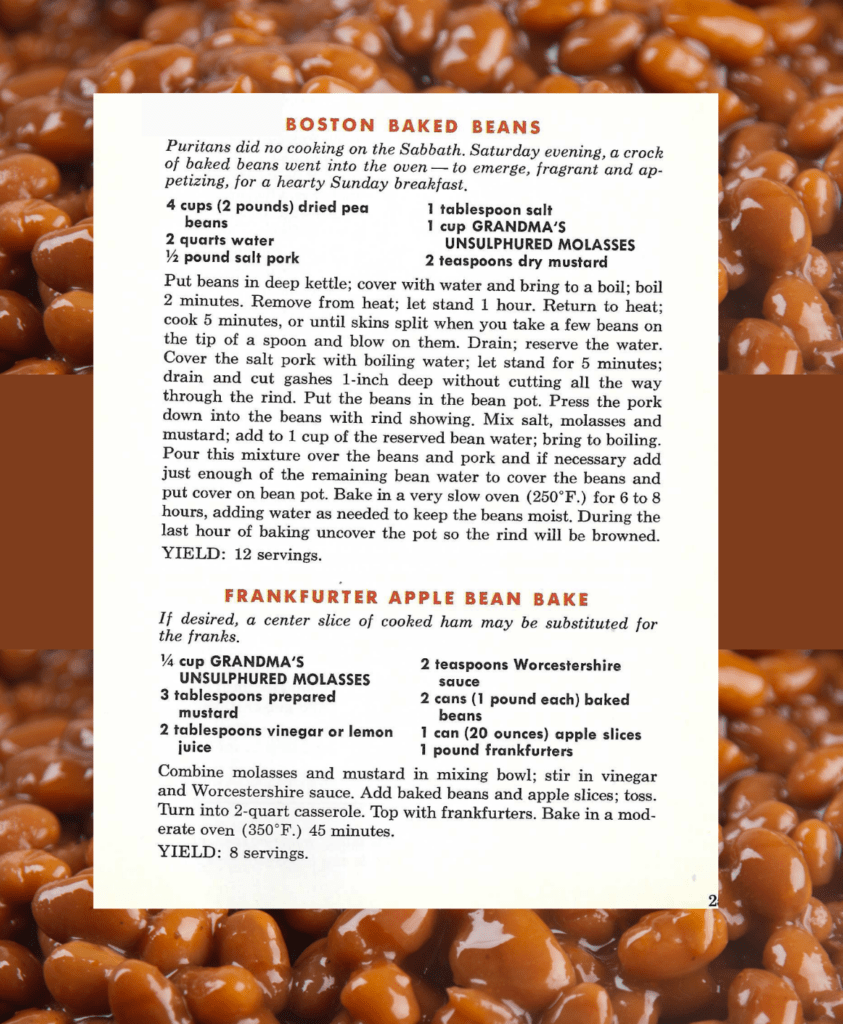
You might have noticed there’s a second molasses main dish recipe–Frankfurter Apple Bean Bake. Franks and beans are forever entwined in food history, but adding in some apples? Ok, worth a try. Canned apples can be hard to find, but you can substitute peeled diced apples or apple pie filling, although the latter will make it very sweet.
Two other recipes in Molasses Classics for Modern Cooks caught my eye. Brown bread, steamed in metal cans, is traditionally served with baked beans. We like and endorse brown bread. But in the name of all that’s holy, tuna and molasses?
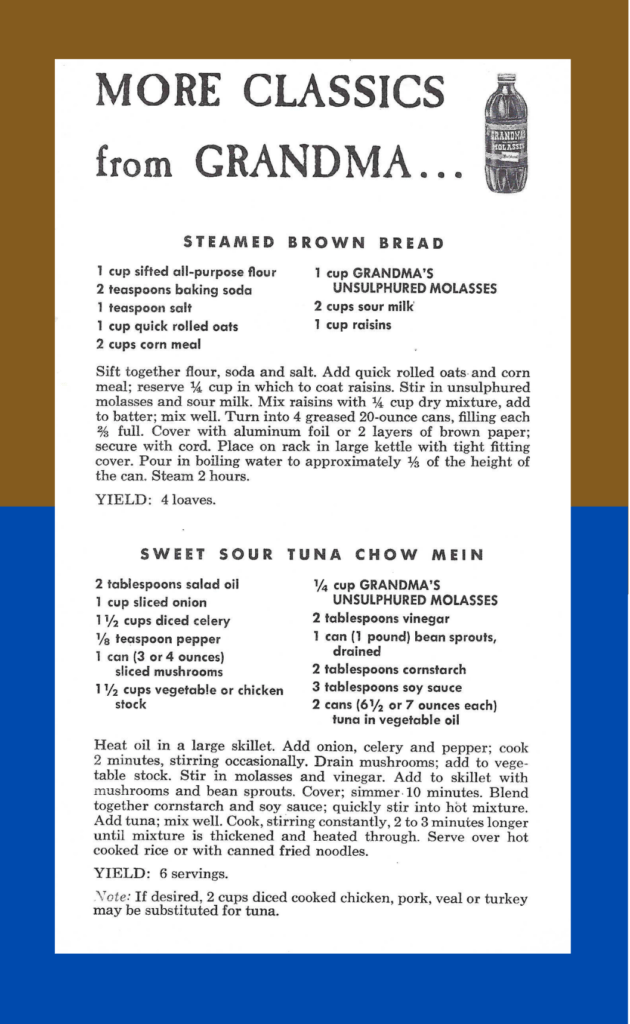
Let us know if you try any of these recipes. Leave us a comment. Especially if you try the Tuna Chow Mein.
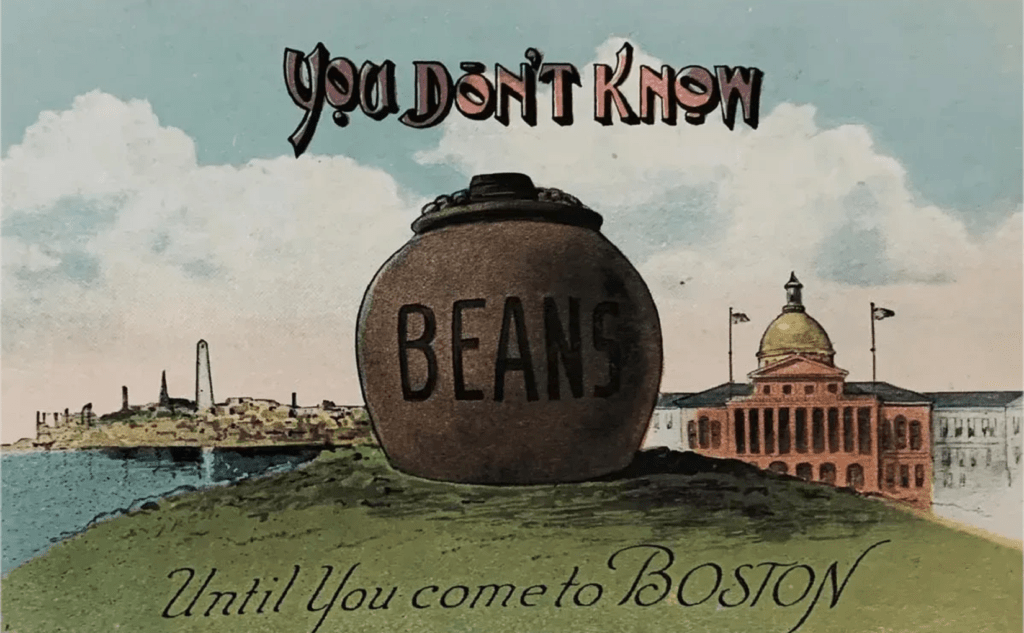
NOTE: If you are ever talking to someone from Boston, don’t make the mistake of calling our city Beantown. Admittedly, Boston and beans are partners in history. The perhaps apocryphal lore is that it was a commonly used nickname, coined by visiting sailors who very much enjoyed a hearty breakfast of baked beans. In the 1880s, before the Boston baseball team became the Braves, they were the Beaneaters. There were tourism campaigns in the early 1900s that bantered about the slogan “You don’t know beans until you come to Boston.” All that’s history. Trust me on this. Let the past stay in the past. Nothing raises a modern Bostonian’s hackles more than asking if they’re from Beantown.
Read more about the history of colonial triangular trade in New England
Rum, Molasses and Slavery in Boston, from the West End Museum.
The Middle Passage, from the Boston African American National Historic Site, National Park Service.
The Boston Molasses Co. was NOT responsible for the 1919 Great Molasses Flood in Boston’s North End. The exploded tank belonged to Purity Distilling Co. You can read more about that on this City of Boston site or on History.com.