
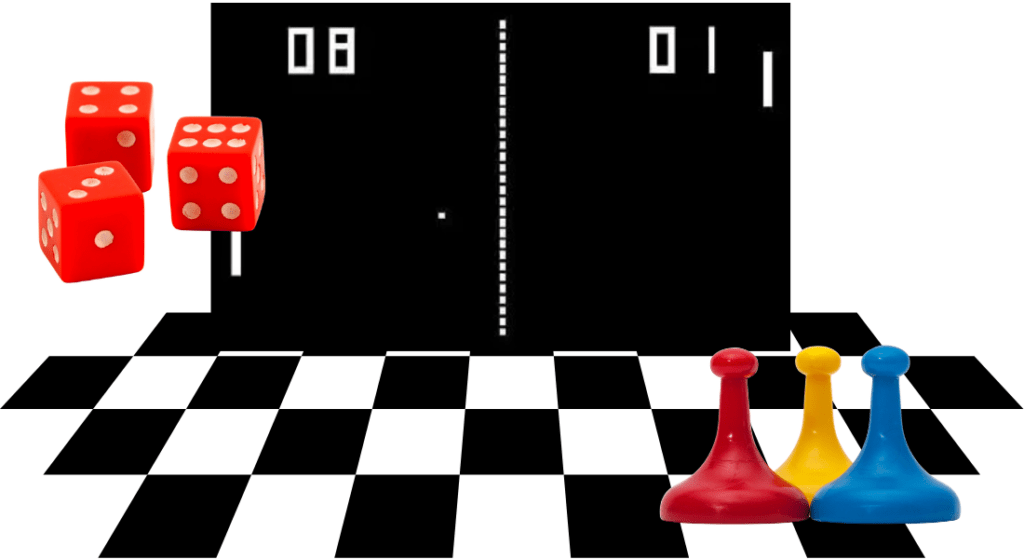
Before we all had computers and mobile phones on which to play games, the games we played were all in person, mostly with other people. The idea of play and gaming goes back to ancient times as a way to be entertained as well as passing along knowledge. As far as we know, the idea of playing games is at least 5000 years old. Games of skill and games of chance were played long before board games or card games. Ancient dice or similar marked bones have been found in various parts of the world.
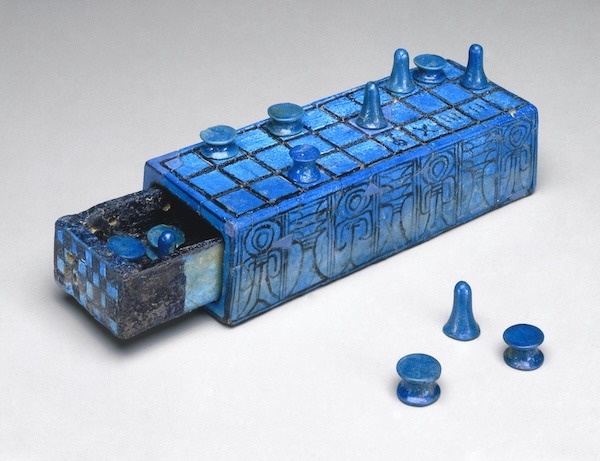
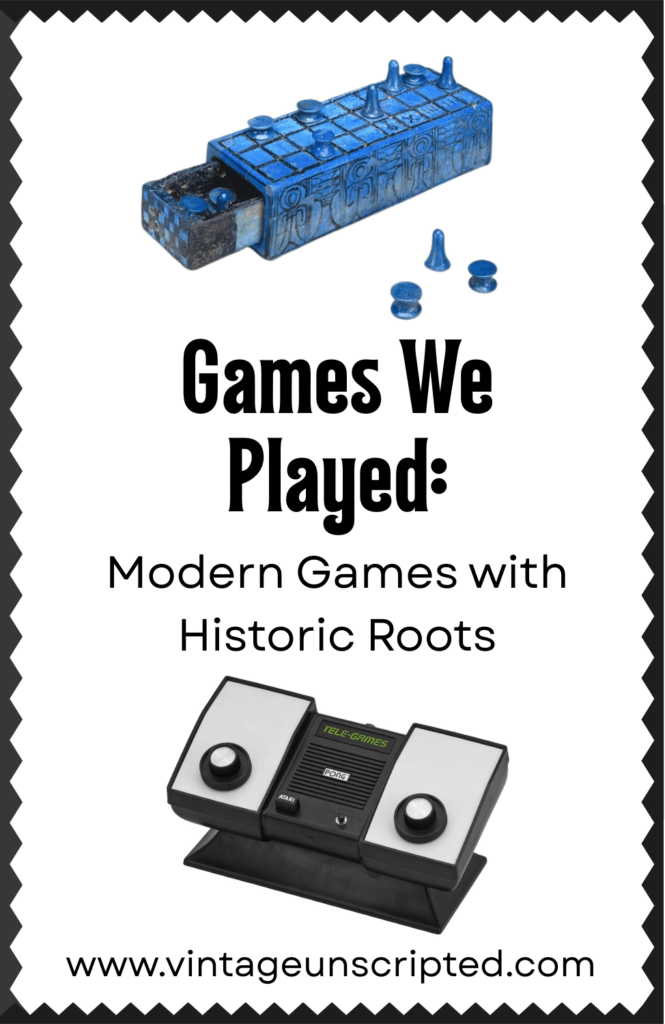
The earliest known board game, Senet, has been found depicted in several tombs in Egypt, some of which date back to around 3100 BCE. The game consists of three rows of ten squares with ten or more pawns for each player. The original rules of the game have been lost to time, although several historians have attempted to recreate the original rules based on historical studies of pictures and found items. Interestingly, the game began as a simple strategy game and evolved into a more religious adaptation, with the pawns taking on the depiction of human souls moving on to the afterlife. The game fell out of style for several years, but was renewed when Egyptologists found the game in tombs in the 1930s. You can still purchase and play the game today. Mancala was another ancient game that is still played today. Both are two player strategy games.
Board Games
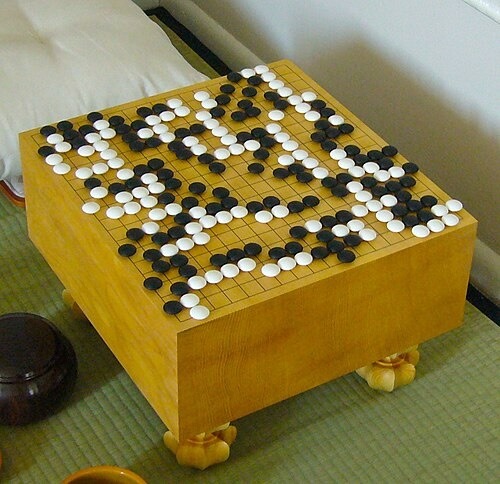
Moving forward in time, did you know that chess was played in 15th century Spain? The game Go was invented in China more than 2500 years ago. It is commonly played in eastern Asian countries and is considered more complex than chess due to the far greater number of available positions on the board.
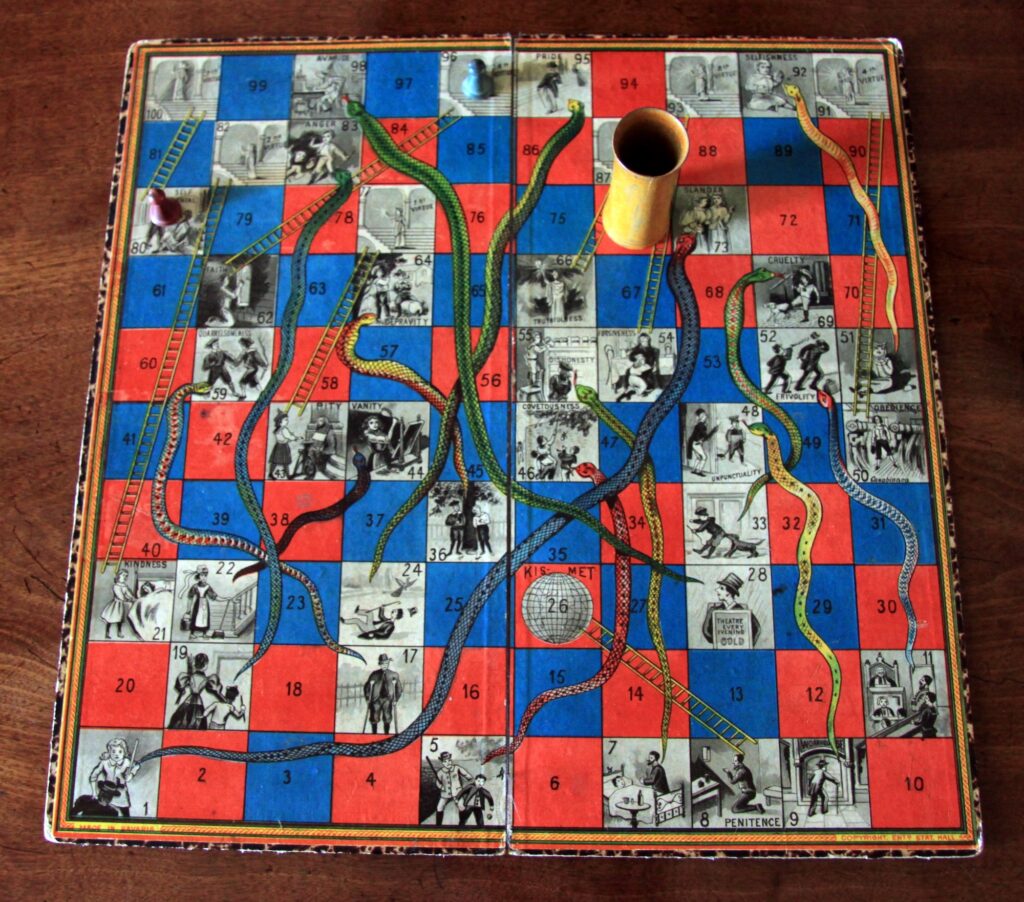
Heading toward modern times, the game of Parcheesi originated in India and was brought to the west by the British in the mid 1860s. A similar version was played in Germany during WWI. Another game you may be familiar with also came west from India. The game was meant to teach lessons about karma and good or evil. It was known as Snakes and Ladders. Milton Bradley brought the game to the United States in 1943, renaming it as Chutes and Ladders and marketing it toward children.
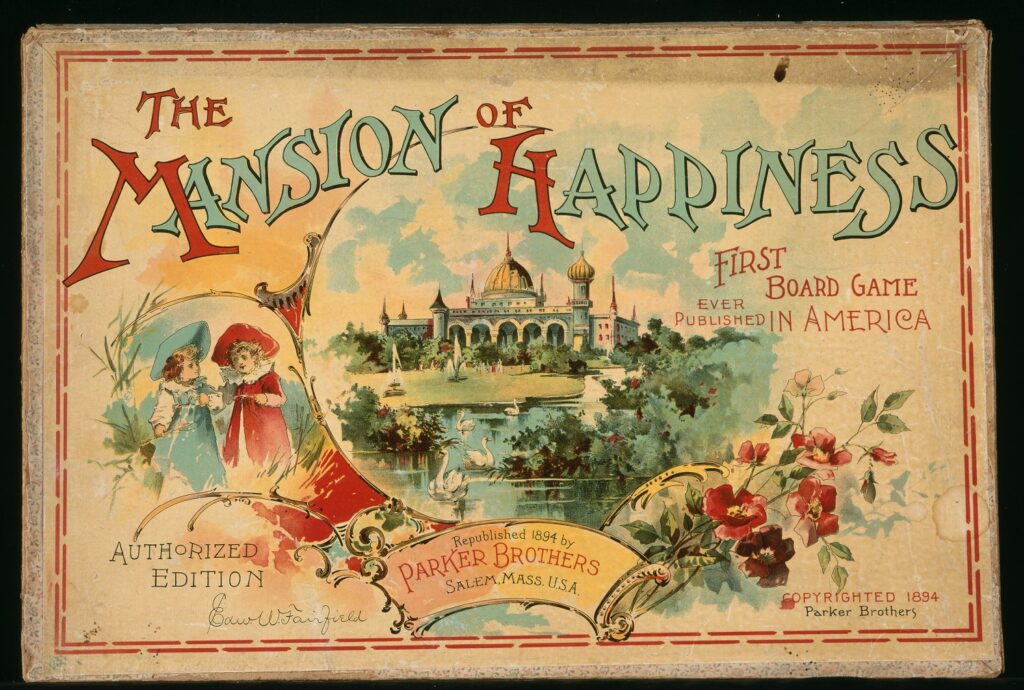
If you have ever played The Game of Life board game, you may want to know its origin. It began in 1800 as The Mansion of Happiness, designed as a racing game and inspired by Christian ethics based on virtue or vice. Depending upon which type of space you landed on, you moved forward or backward toward the ultimate goal of reaching The Mansion of Happiness at the end. Milton Bradley took the concept of this game and created a Capitalistic version known as The Checkered Game of Life where the goal was to go to college, marry, and become rich. If Mr. Bradley only knew where that would lead.
Battleship began as a game on paper played by Russian soldiers during WWI. Milton Bradley again took a version of an older military themed game and turned it into the strategy game Stratego. Scrabble and Risk were two more games adapted from older versions.
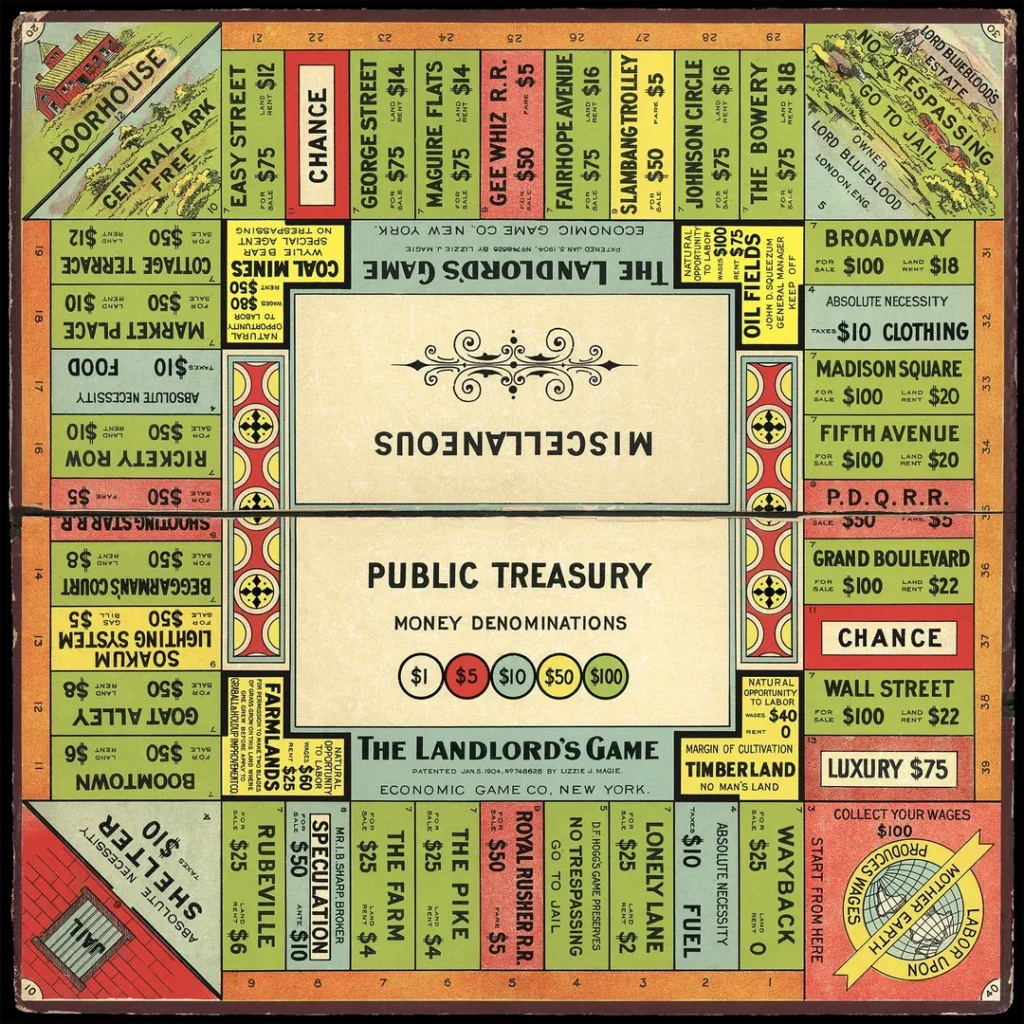
Monopoly, or the original idea behind it, was created in 1904 as The Landlords Game by Lizzie Magie to illustrate economic consequences. The game had two sets of rules and opposing ways to win. One was the Prosperity rule, where cooperation won, the other was the Monopolist rule where competition wins. Parker Brothers put their own spin on the game and remade it in 1933. There have been multitudes of iterations of the game ever since. To date there are over 4000 versions of Monopoly.
Card Games
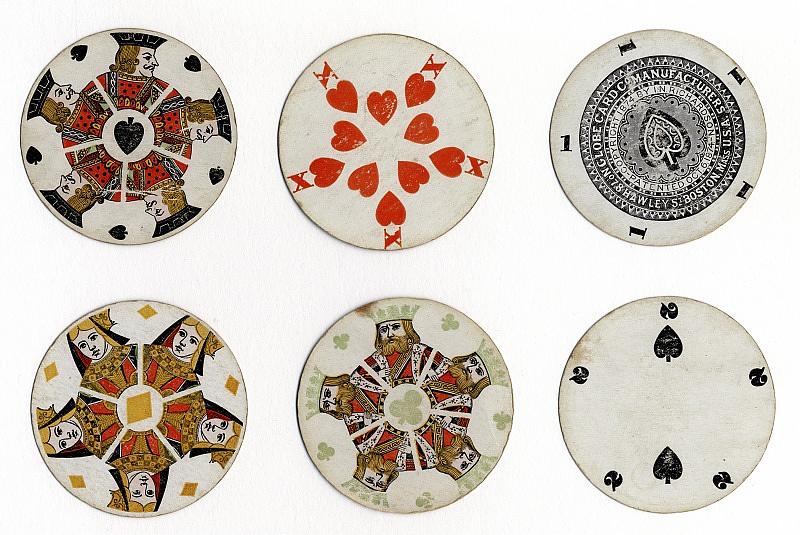
Card games came along later than the original dice and board games. Card games were played as far back as 9th century China. They may have begun as tiles or dominos, perhaps even paper money. Being portable and easy to travel with, popularity spread quickly. Soon Central Asia and then Europe were playing cards. Some of the popular games beginning in the 15th century and moving forward were Cribbage, Pinochle, Baccarat, and Whist. Poker, purported to have been created on the Mississippi river boats in the 1830s, is one of the first games created in the U.S.
Video Games
The first foray into video gaming began in 1950, long before computers were commonplace. Alan Turing, the famous mathematician and computer scientist, created the first chess game against a computer in 1948 along with colleague David Champernowne. As the computers of the time were not sophisticated enough to run the program, so it was never completed. Turochamp, as it was known, is considered to be the first video game.
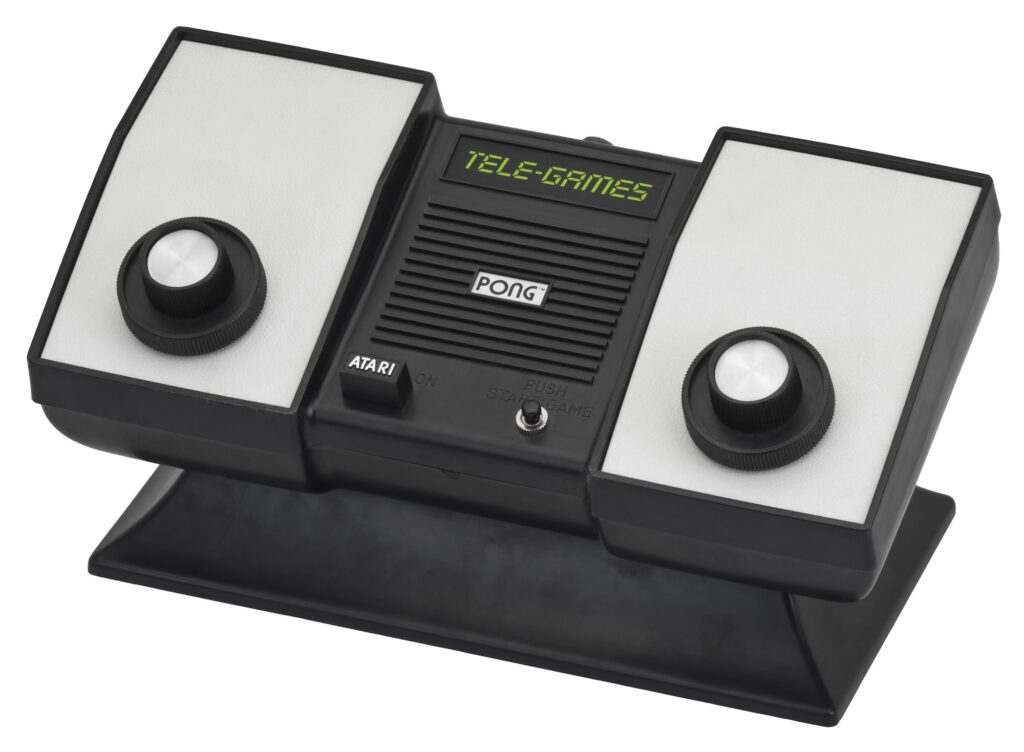
Arcade games became prevalent in the early 1970s, as pinball games and electronic games of chance found in casinos became popular. Arcade games eventually found their way into homes as console games connected to our televisions. 1975 brought us Atari and Pong and by 1977, Nintendo had moved into the video game marketplace. From that point on, video games have been dominant, although there is a resurgence of folks gathering to play board games and card games. As long as humanity has existed it seems, humans have played games.




1 comment
Wow, Pam. Those game boards are works of art! Thanks for the trip down memory lane.