
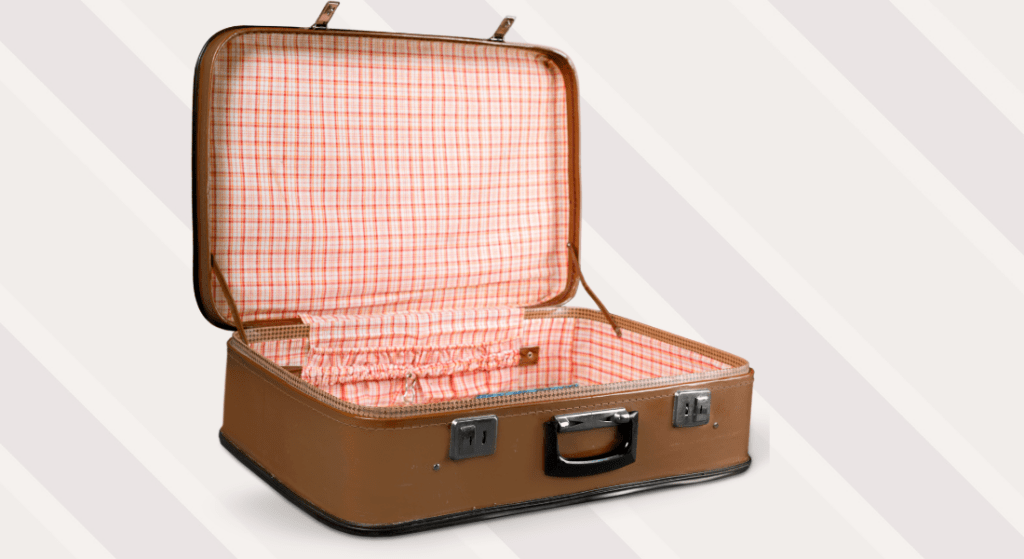
Before we look at collecting vintage luggage, let’s first talk about the history of luggage. Since the days of steamer trunks, travel modes have progressed and much of it is done via airline flights or vehicle. That vehicle may be a train, bus or the family car, but no matter where you are headed or why, you will need to pack for the occasion. As travel became available to the average family, the luggage adapted. No longer were large heavy trunks hauled onboard ships or carriages by porters. Folks now needed to carry their own luggage.
It was the late 19th century that travel by the masses began in earnest. Suddenly, hotels were popping up in new tourist spots and families were moving about both Europe and the United States more easily thanks to trains and in the early part of the twentieth century cars. Trunks suddenly became obsolete and unwieldy. Smaller sized luggage that could fit on the back of the newly produced automobiles helped to promote family travel by car. Traveling by car also opened up the field for traveling salesmen who toured the country selling all manner of goods. In fact, the term “suitcase” was coined because the original luggage case was made to fit a suit.
With the onset of travel and tourism, hotels and cruise ships would add stickers to traveler luggage for both identification and advertisement.


One of the oldest names in luggage is Samsonite. The company was started in Denver, Colorado in 1910 by a luggage salesman named Jesse Shwayder. It has since been through many iterations and owners, and is still in business today.
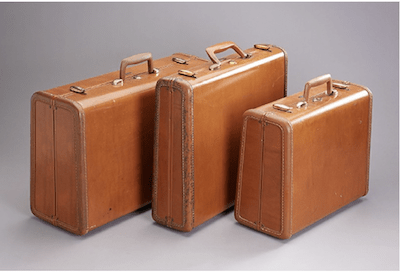
As travel became cheaper and easier, more people began traveling. With the introduction of commercial airlines came weight restrictions on luggage. In 1938, that weight limit was 40 pounds. This led to a redesign of luggage from steel frames covered in leather, wicker, or rubberized fabric to cardboard and plastic.
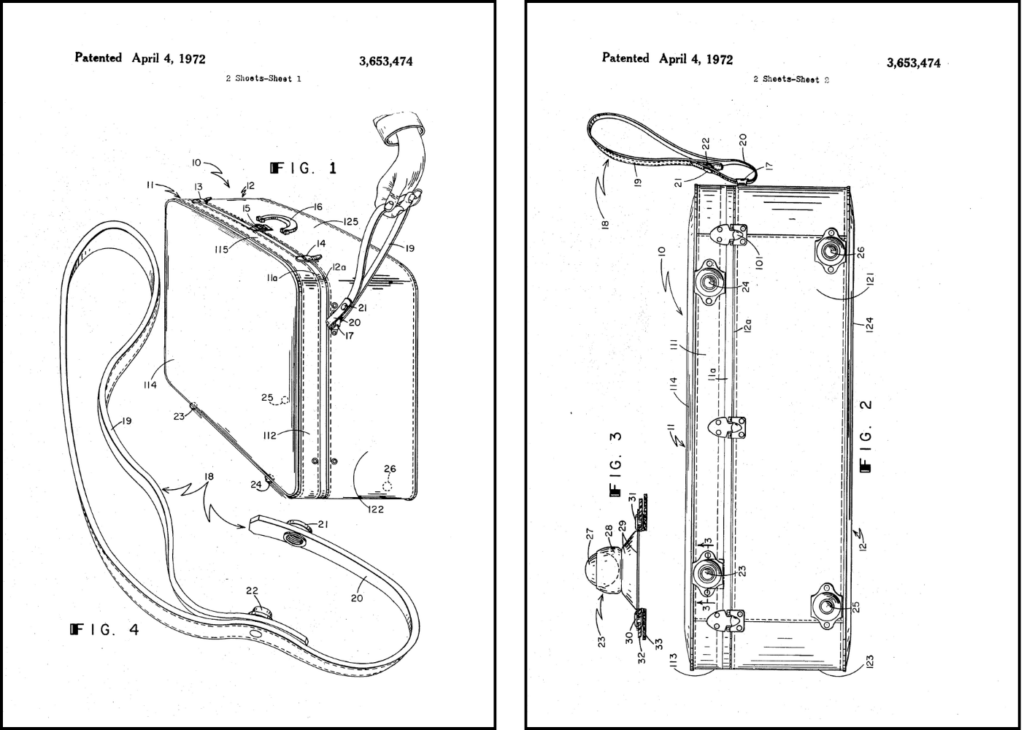
The idea of adding wheels to these suitcases was hatched in 1970 by the vice president of U.S. Luggage, Bernard D. Sadow. At first it was hard to sell his idea, as rolling a suitcase rather than carrying one was considered to be unmasculine. Instead, smaller luggage was produced aimed at women. It took a while, but his patented rolling suitcases were eventually sold at Macy’s until competitors were able to break the patent a couple years later and create their own versions of the rolling suitcase.
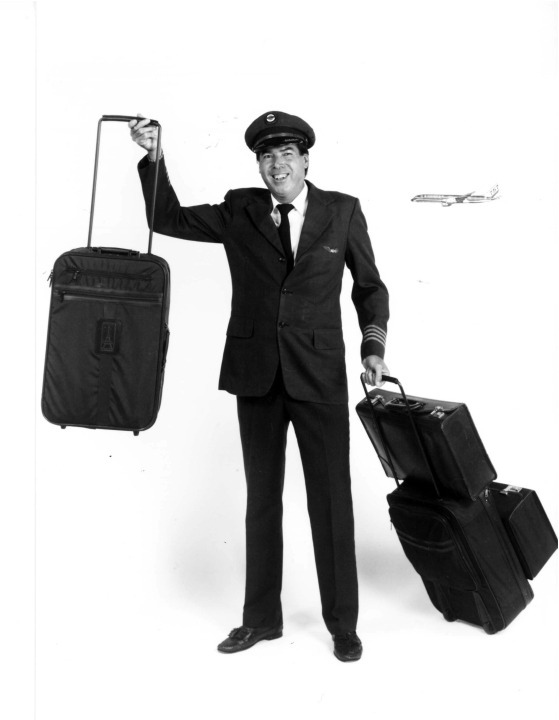
In the 1980s, Northwestern Airlines Pilot Robert Plath created his version. He tipped the luggage up so it was vertical rather than horizontal, with a handle on top. At first, he only sold his luggage to those in the airline industry. He eventually left the airline and started his own luggage company, TravelPro.
As the idea of rolling luggage became more popular it changed to meet the needs of travelers. The telescoping handle was invented in 1993, and the “spinner style” luggage with four wheels that was able to turn or spin was developed by Samsonite in 2004.
Suitcases have come a long since then. We now have “smart suitcases” capable of being tracked, charging your phone, and holding your coffee cup.


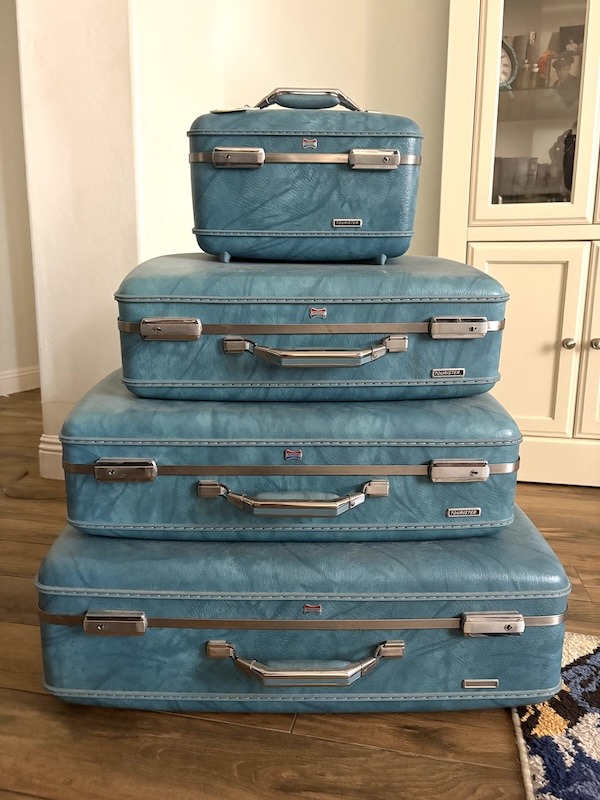
There are many reasons to start collecting vintage luggage. Not only is it nostalgic, but it can serve as more than just decor. Luggage makes for great storage. The smaller train cases work just as well today as they did back then. Grab one and fill it with your make up and skin care items, then stash it under the sink or at a dressing table. Larger suitcases make great storage for photo albums, winter blankets or even your vintage wedding gown.
Stack them up and fill them up with books, records, or other collections. Use them stacked as end tables, hung on a wall as shelving or add legs to turn an old suitcase into a side table. Inserting a pillow can turn your luggage into a bed for your pet. There are lots of ways to incorporate vintage luggage into your home.
Read more
For more on collecting vintage luggage, we wrote about antique trunks here.
The Smithsonian Magazine has an article on The History of the Humble Suitcase here.
“Reinventing the Suitcase by Adding the Wheel,” The New York Times, here.