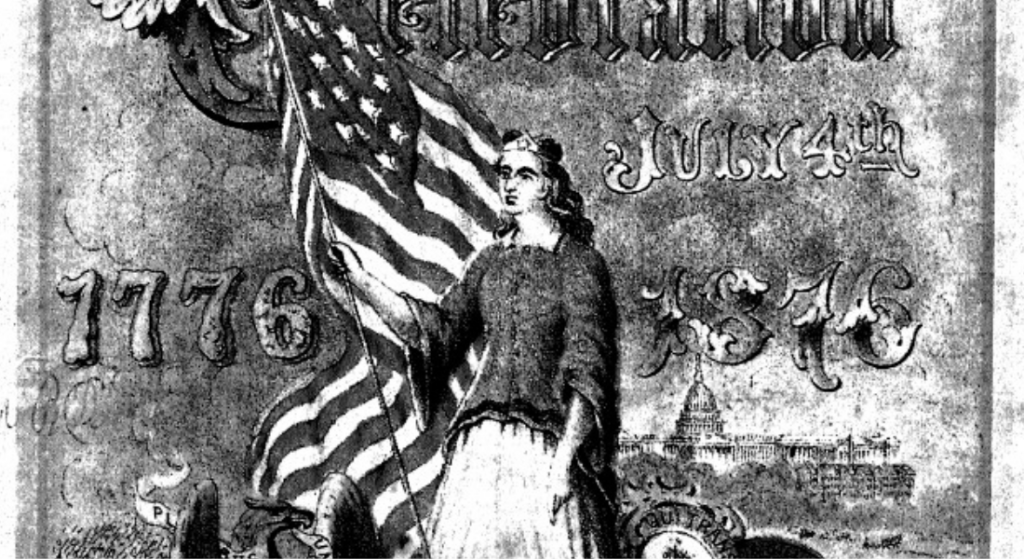
With the 250th birthday of the United States coming up, we’re taking a dive into previous landmark birthdays, Vintage Unscripted style. Here’s a recap of what was going on and how we celebrated in America in 1876, as well as some souvenirs from the big year.
What was going on in the country?
Although the Civil War ended officially in 1866, ten years later the country was still recovering from the war and Reconstruction, which was falling apart. Federal troops continued to occupy parts of the South, and in the North, exhaustion from the whole process had drained the political resolve to defend the new laws enacted after the war.
The Constitution had been amended quickly after the close of hostilities. The 13th Amendment, which abolished slavery (1865), the 14th Amendment, which guaranteed citizenship and equality (1868) and the 15th Amendment, which gave black men the right to vote (1870) were all the law of the land, but in areas of the South where there were no federal troops to enforce them as part of Reconstruction, they were laws in name alone, not in practice.
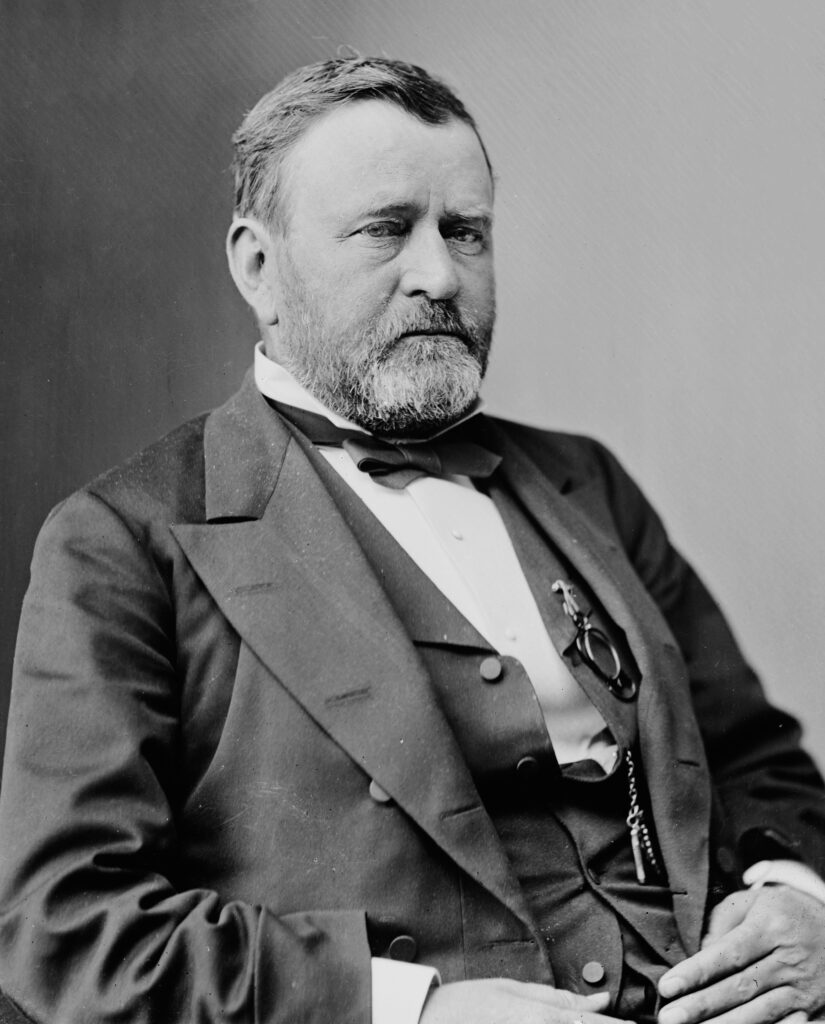
President Ulysses S. Grant was in the final year of his two terms. Although he was considered honest, he was surrounded by corruption. Where to start…
During the construction of the transcontinental railroad, railroad industry insiders had been taking massive profits off the top and paying hush money to congressman and the vice president.
Then there was the Whiskey Ring. A group of treasury officials and distillers, as well as Grant’s personal secretary, were caught trying to defraud the government of millions of dollars in whiskey tax revenue.
But wait, there’s more. Two financiers (what we might call oligarchs) tried to corner the market in gold. They enlisted Grant’s brother-in-law to help keep the feds from selling gold, which would cause their plan to collapse. When Grant eventually authorized the Treasury to sell gold, causing the oligarch’s scheme to crumble, the Black Friday Gold Panic ensued. The market crashed and many investors lost everything.
The Secretary of War was caught taking bribes for handing out Indian Country trading post appointments. He resigned before he could be impeached.
And those are just the big scandals, whose effects washed into 1876.
Let us not forget the Panic of 1873, a deep financial depression triggered by railroad overexpansion and speculation plus the failure of major banks. Three years later, during the centennial year, the country was still mired in unemployment, falling wages and labor unrest.
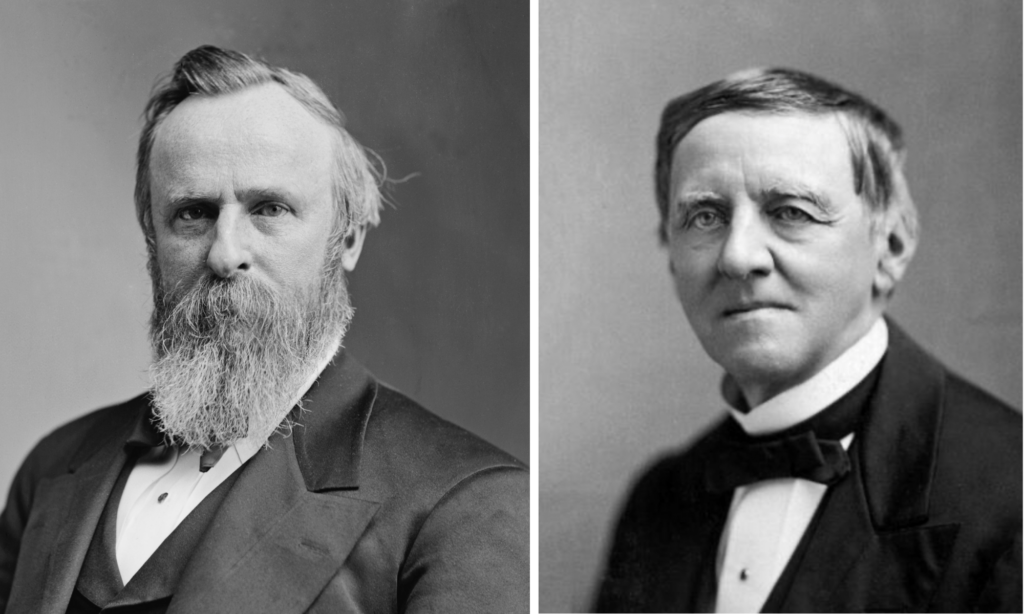
The presidential election of 1876 was one of the most contested elections in American History. The Rutherford B. Hayes v. Samuel Tilden race was hung up by contested electoral college votes from Florida, Louisiana and South Carolina. The essential reasons were the same for all three: all three states had governments backed by Federal troops, there was a massive amount of violence and voter intimidation to keep black men from voting and both political parties had zero qualms about manipulating election results.
It was eventually resolved by a Congressionally-appointed committee that split 8-7 along party lines in favor of Hayes on each of the disputes. The losing side agreed to accept Hayes as president if Reconstruction was ended in the South. The impacts of this compromise still shape America.
But America still celebrated
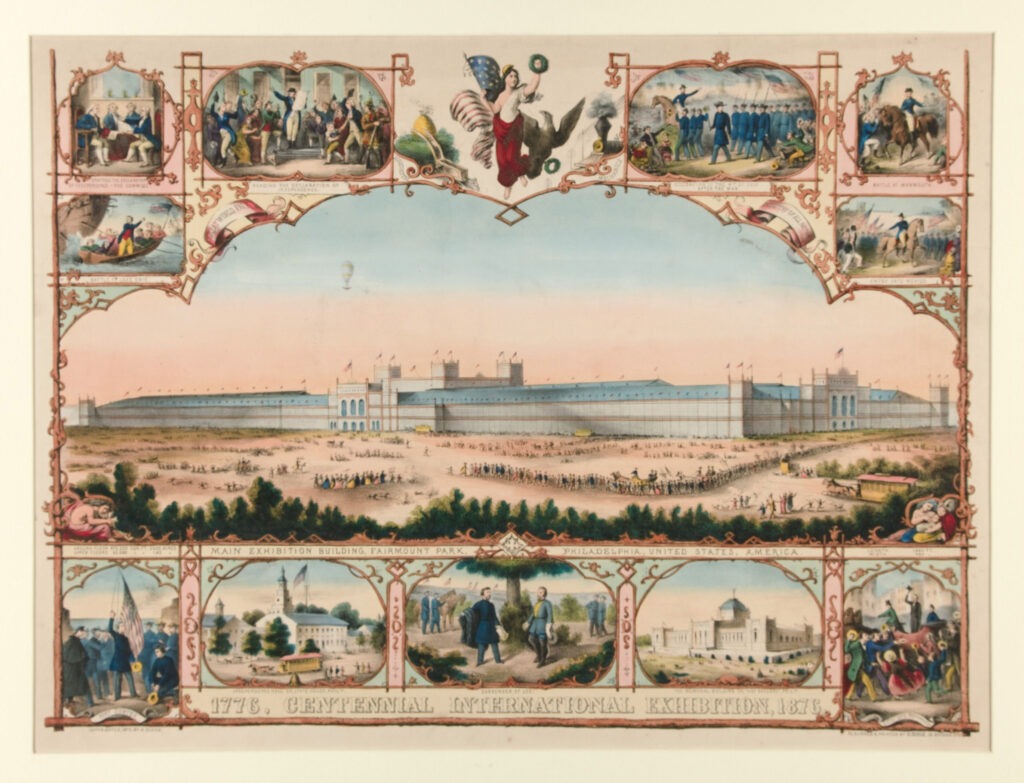
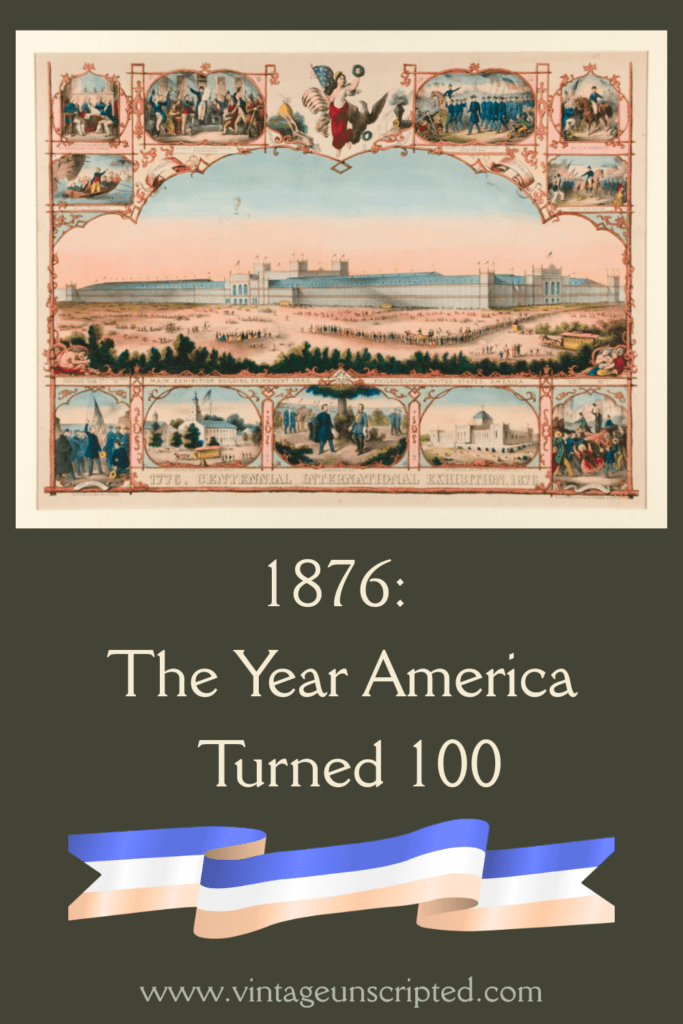
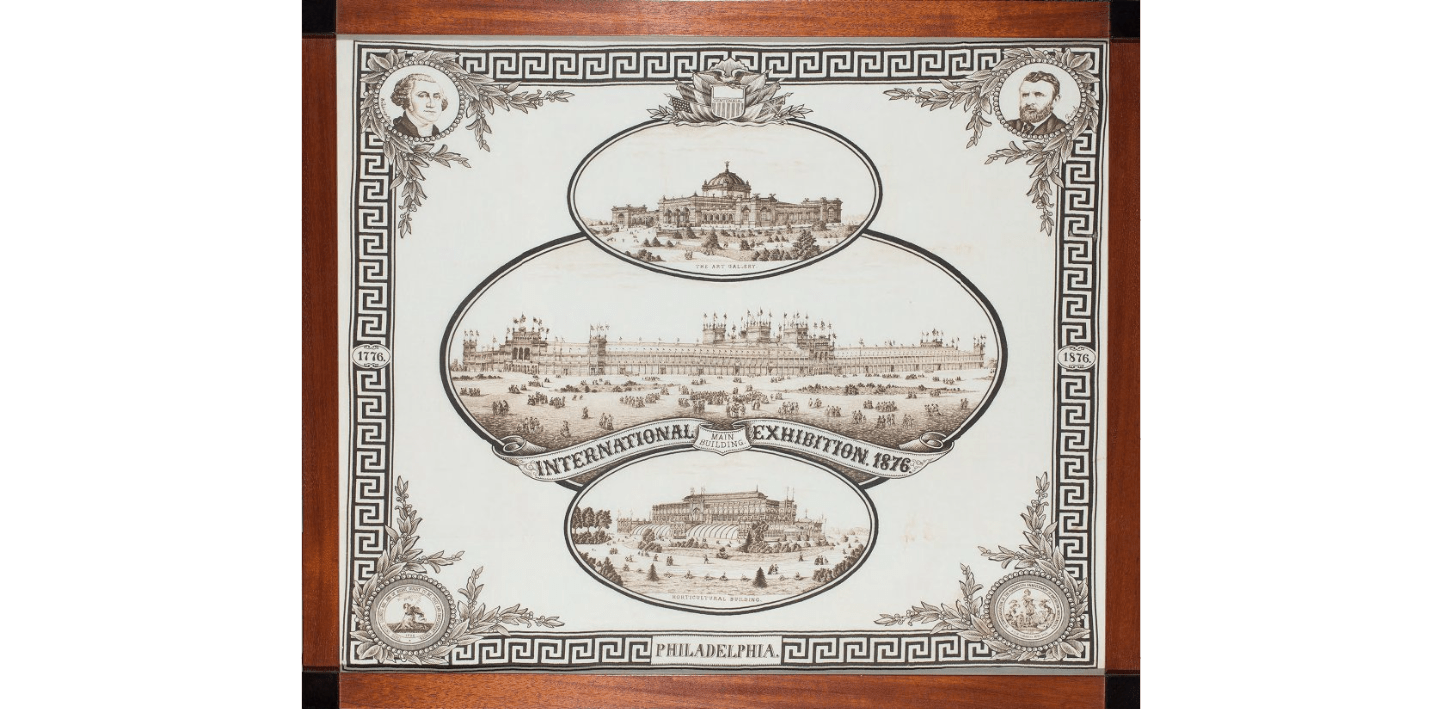
In spite of all that, the country still celebrated. The Centennial Exhibition was held in Philadelphia from May to November, 1876. Nearly 10 million visitors attended the Exhibition, fairly remarkable in an age without cars and airplanes.
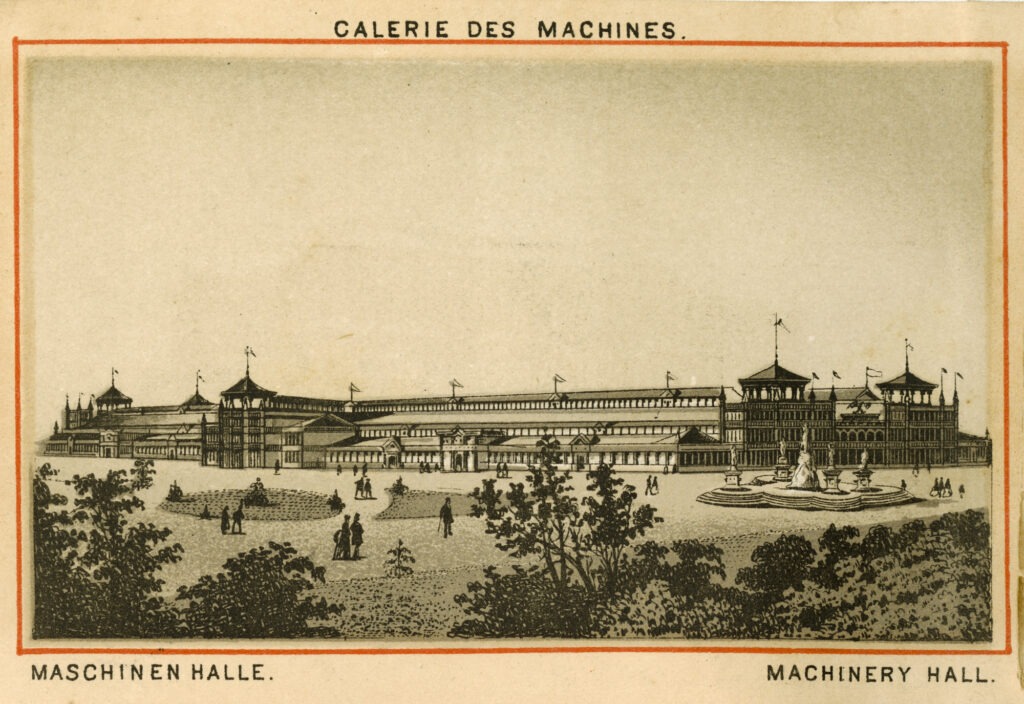
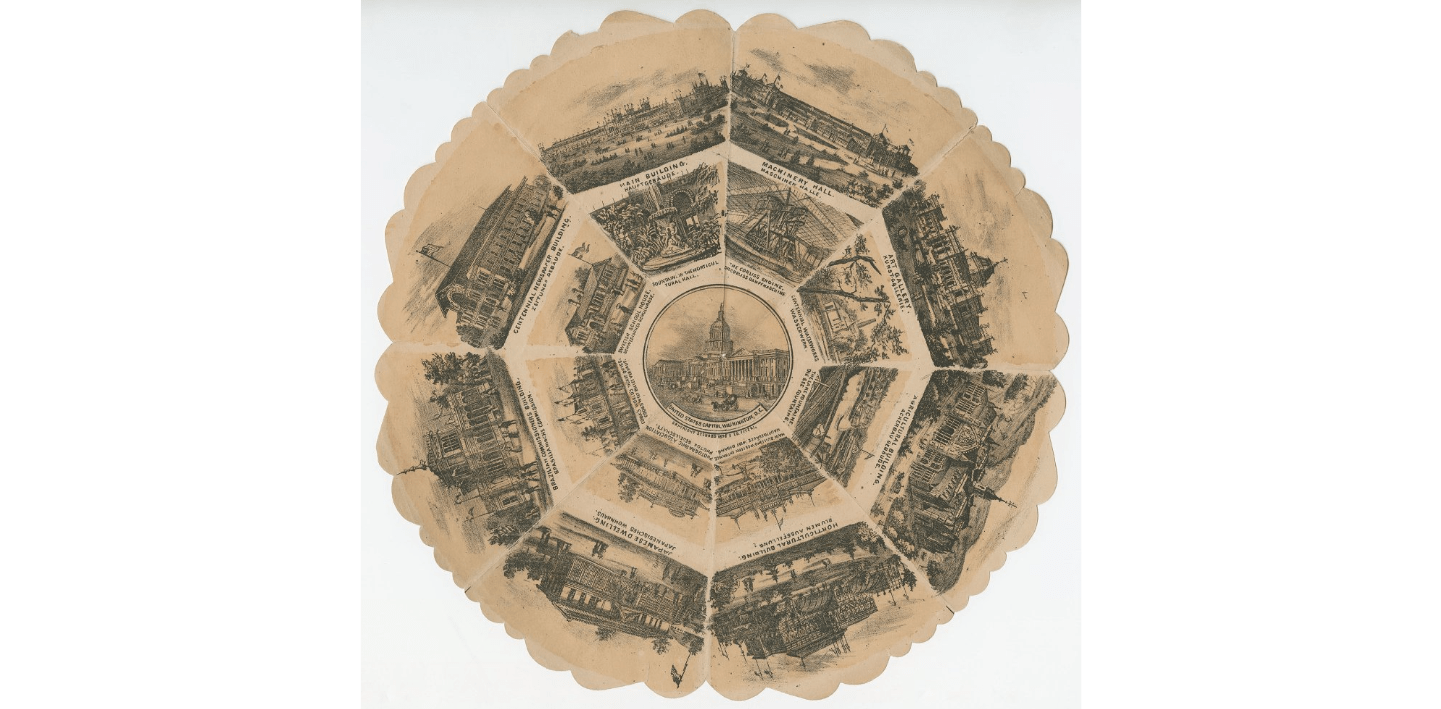
American technology included the Corliss Steam Engine, which powered the entirety of Machinery Hall, and the telephone, demonstrated by Alexander Graham Bell.
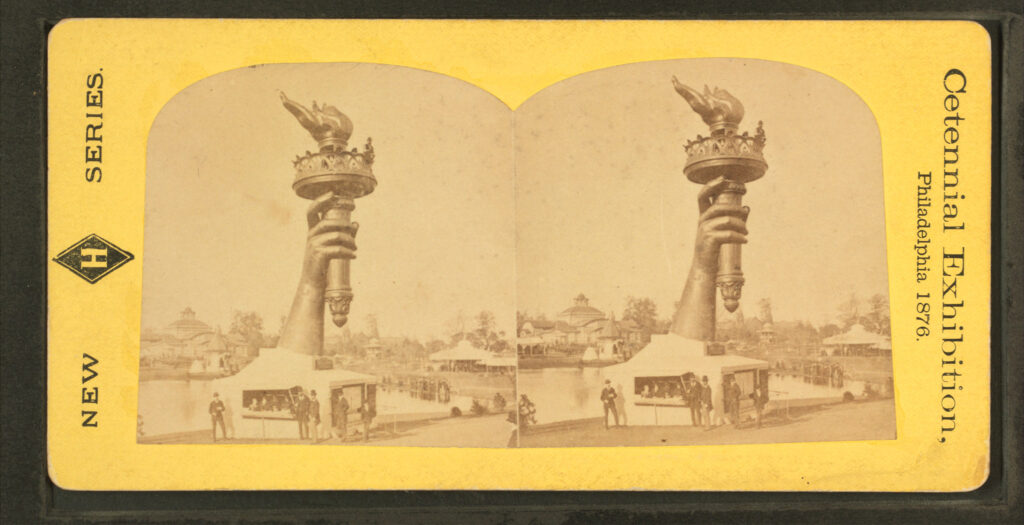
There were 37 international pavilions, introducing Americans to world cultures. France brought the Statue of Liberty’s arm and torch.
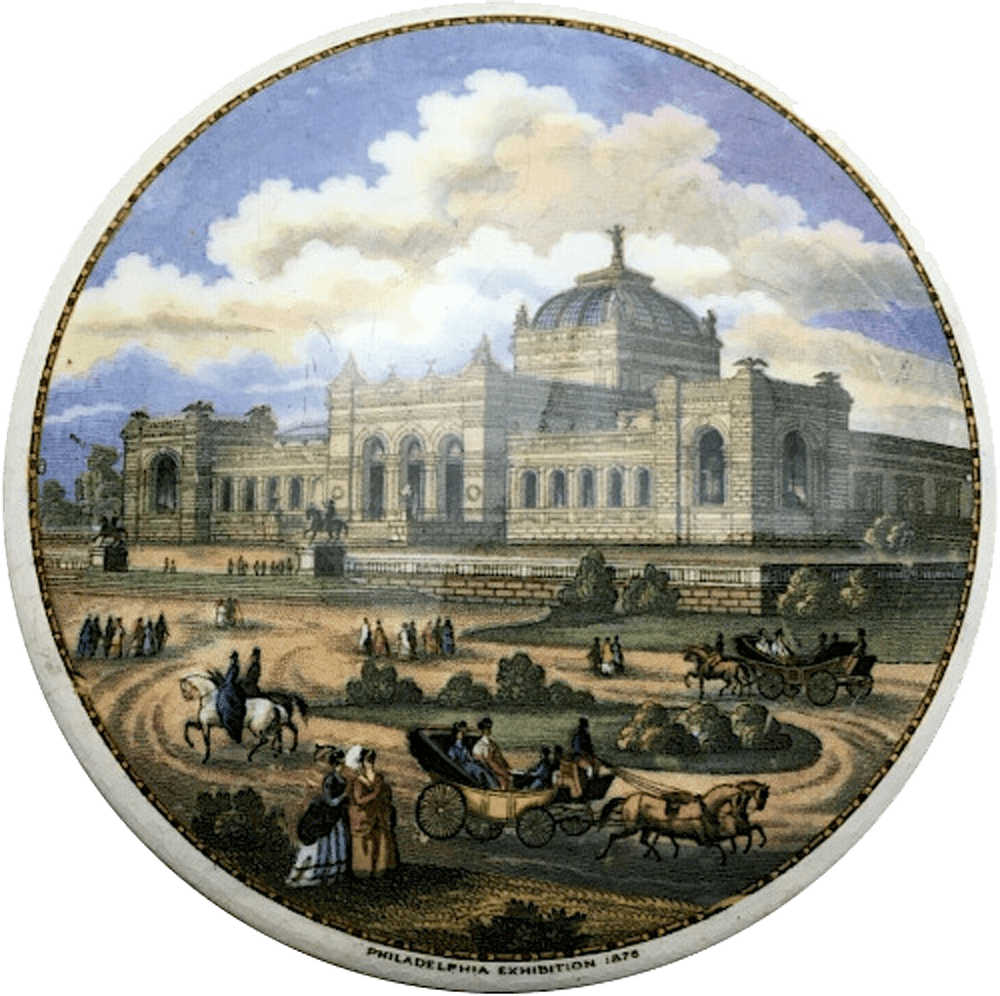
There was a giant art exhibition held in a building that continues to amaze as Philadelphia’s Please Touch museum.
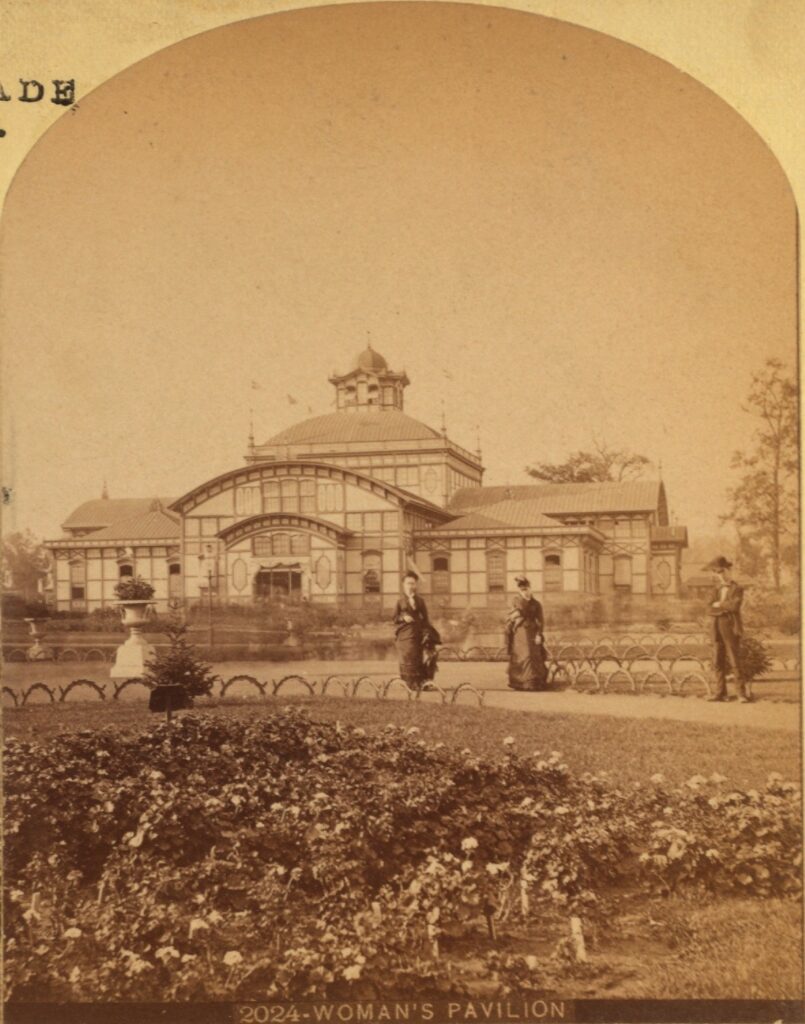
The Women’s Pavilion was the first erected at any international exhibition to show the work of women. The exhibits inside the pavilion were designed and staffed by women. Eighty inventions for homemakers were displayed, but attention was also paid to women’s contributions outside the home.
And America got the first taste of bananas, popcorn, Heinz ketchup and Hires Root beer.
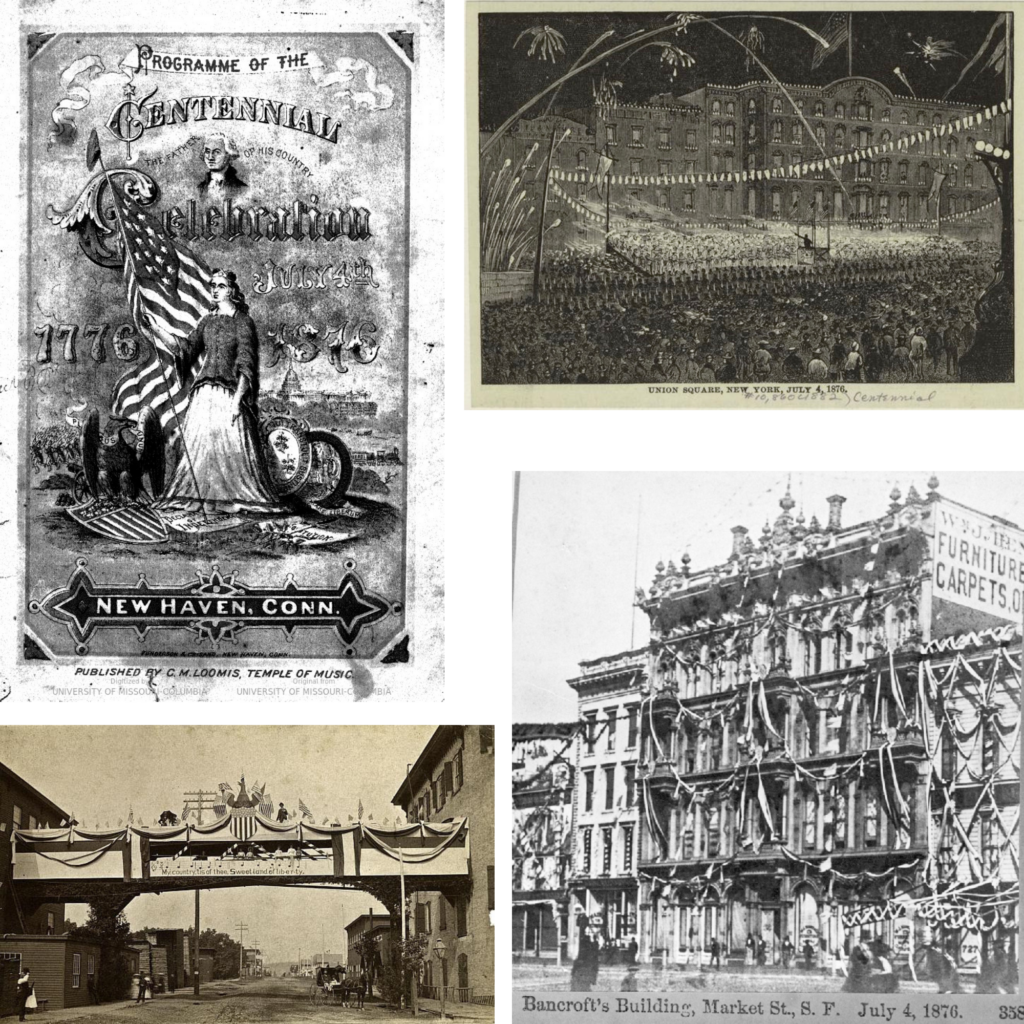
Around the country, celebrations were held with fireworks, orations and parades. Monuments were erected. Histories were published. And there was probably cake as well.
Souvenirs from the 1876 Centennial
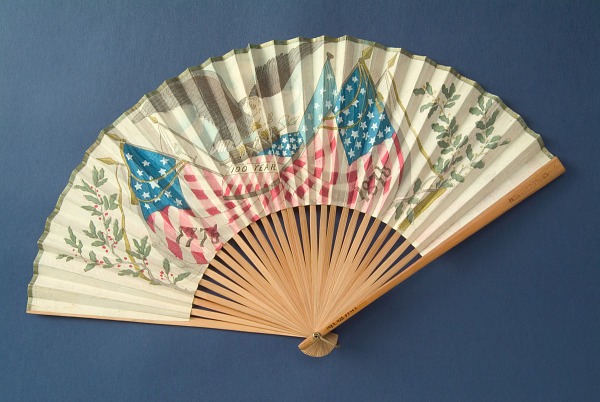
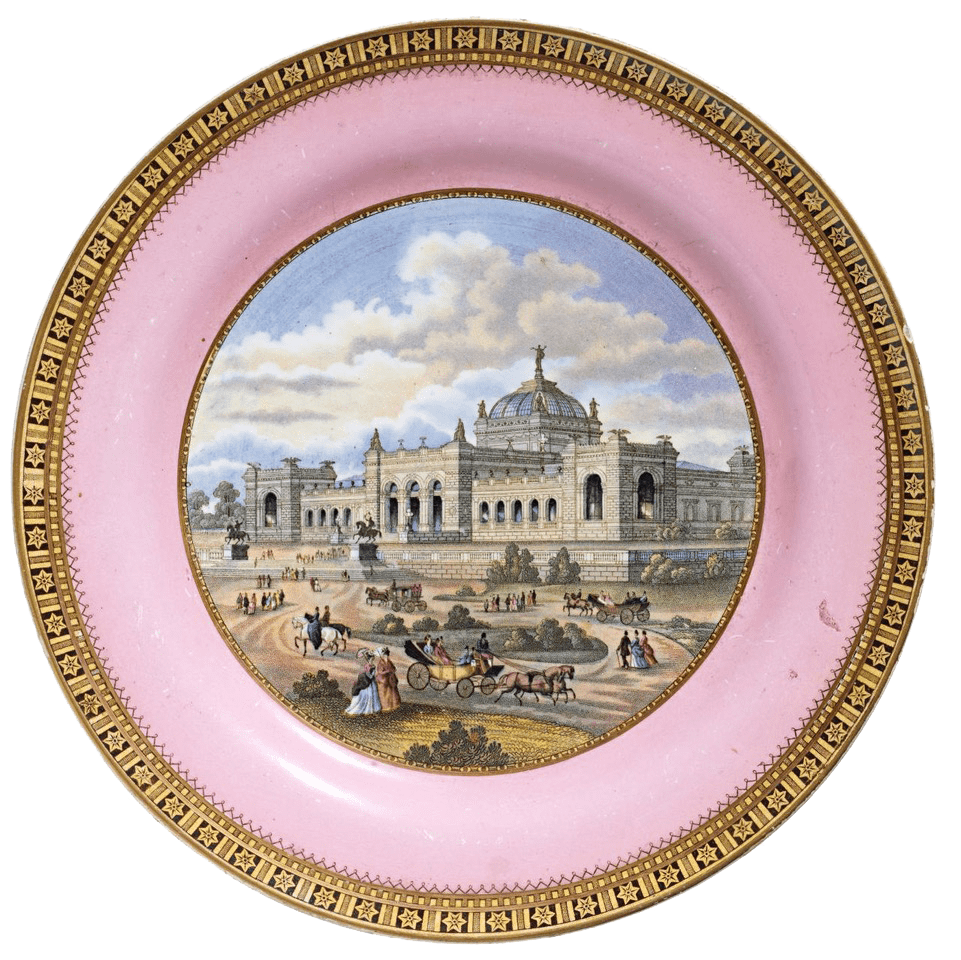
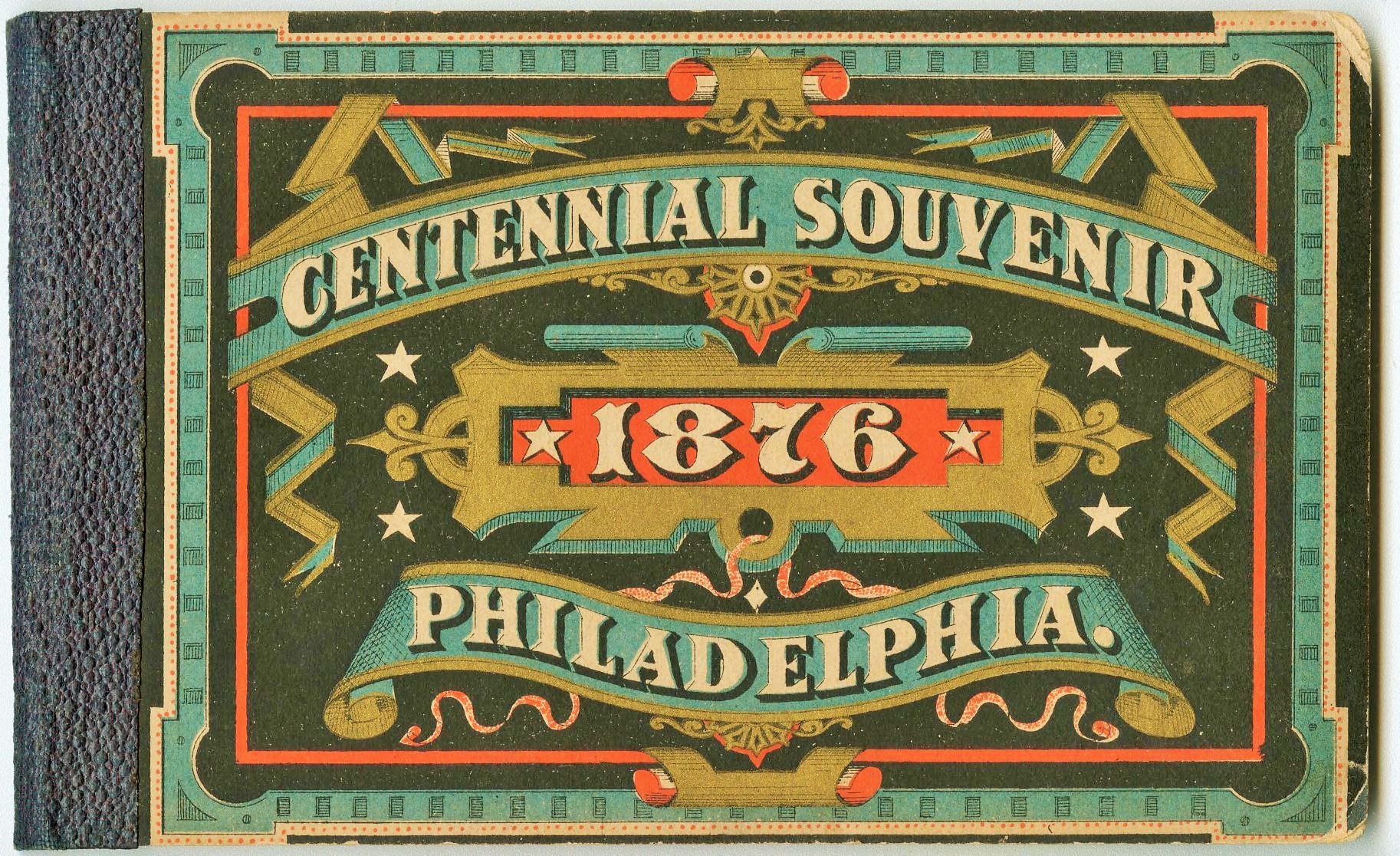
Like for all major events, commemorative souvenirs were made, some of which are still around.
To read more about the 1876 Centennial:
Exhibition Facts, the Free Library of Philadelphia
The Centennial Exhibition Guide, the Smithsonian Libraries (quite a booklet to flip through)
President Grant and the 1876 Centennial Exhibition in Philadelphia, Ulysses S. Grant National Historic Site, National Park Service
The official bipartisan government site for the US Semiquincentennial Commission and the America 250 celebration is America250.org.