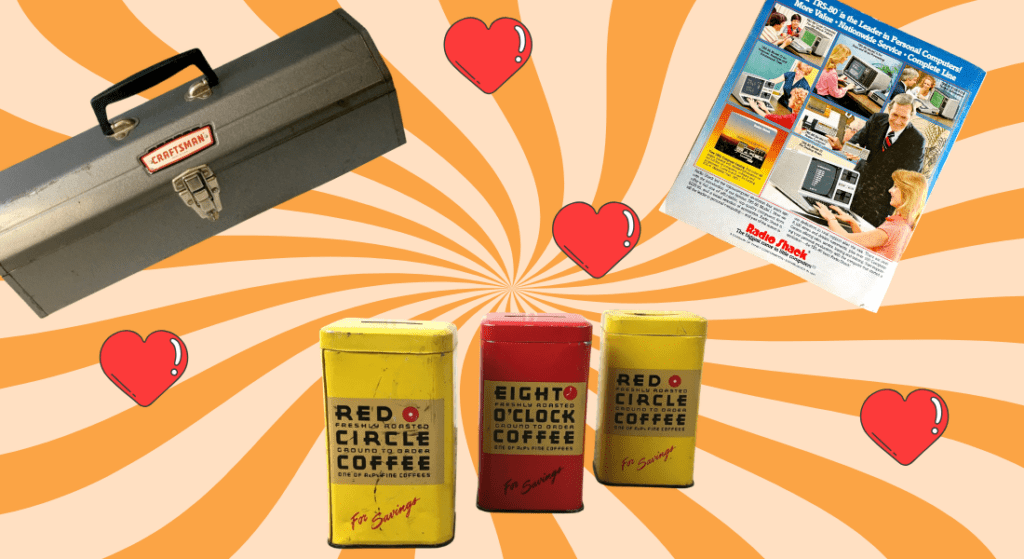
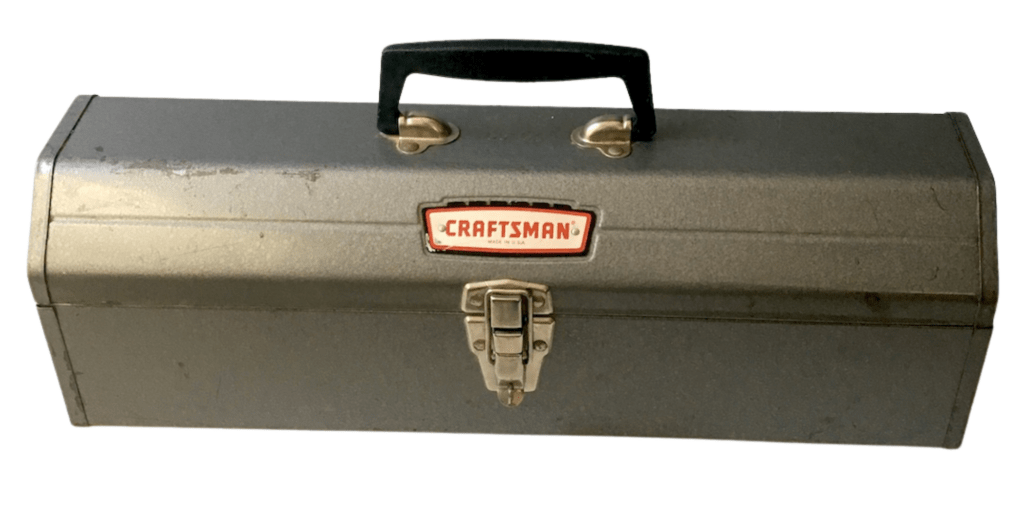
Growing up in the last century meant lots of the products we bought and used were sold and distributed by large chain stores, otherwise known as store brands. Department stores, discount stores and grocery stores all had (and still have) their own name brands. Many were manufactured by the same companies that made similar products under popular brands names. For instance, Sears used several manufacturers for their line of Craftsman tools. One of those companies was Stanley Tool Company, now Stanley Black and Decker, which ironically bought Craftsman in 2017.
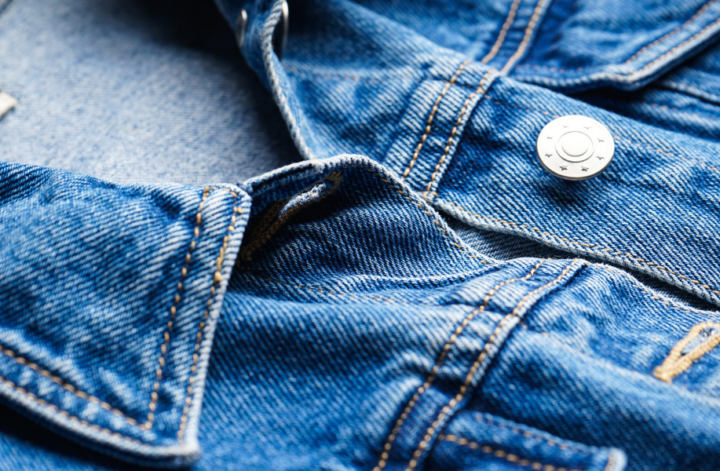
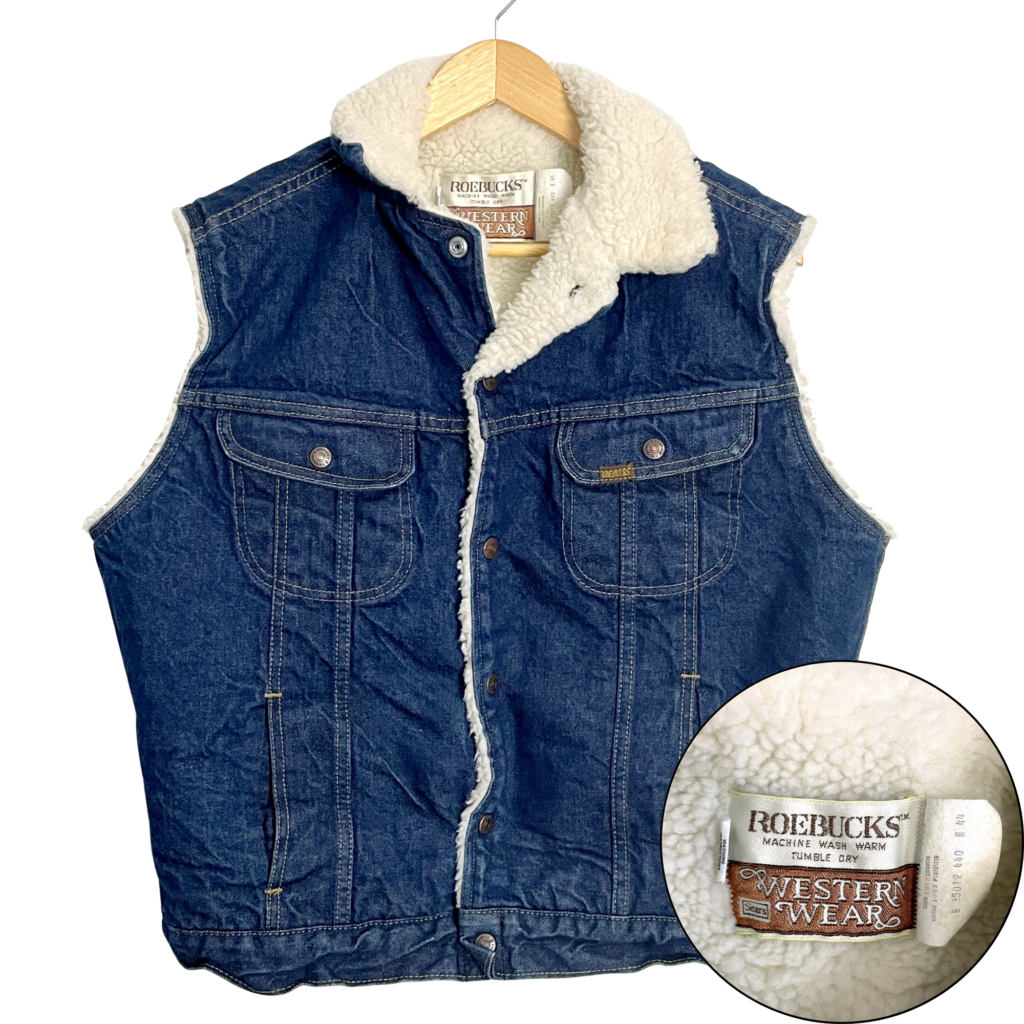
Another Sears line was the popular Roebucks brand of clothing which was advertised as “rider jeans born n’ bred in Texas.” The line included work clothing for both men and women. The children’s version of these jeans featured double thick knee patches. I’m sure many mothers appreciated those jeans that rarely needed patching.
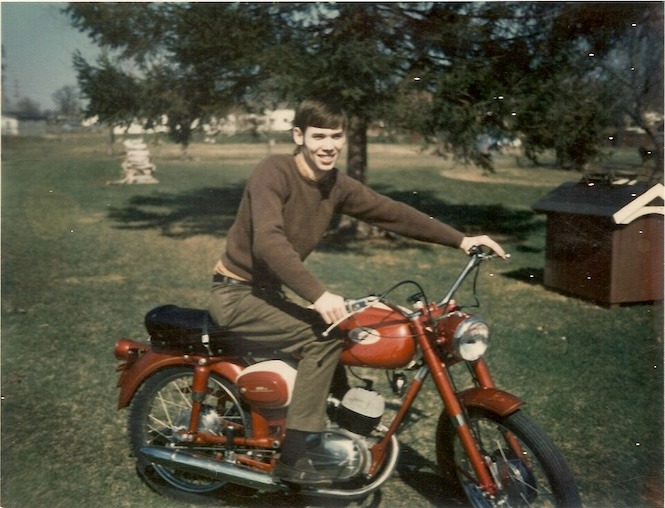
Montgomery Ward sold a line of motorcycles, mopeds, and scooters under the name Riverside from the 1950s through the 1970s. They were made by various companies including the Italian brands Benelli, Bianchi, and Lambretta as well as Japanese brand Mitsubishi. There are multiple sites dedicated to riding, repairing, and restoring these bikes.
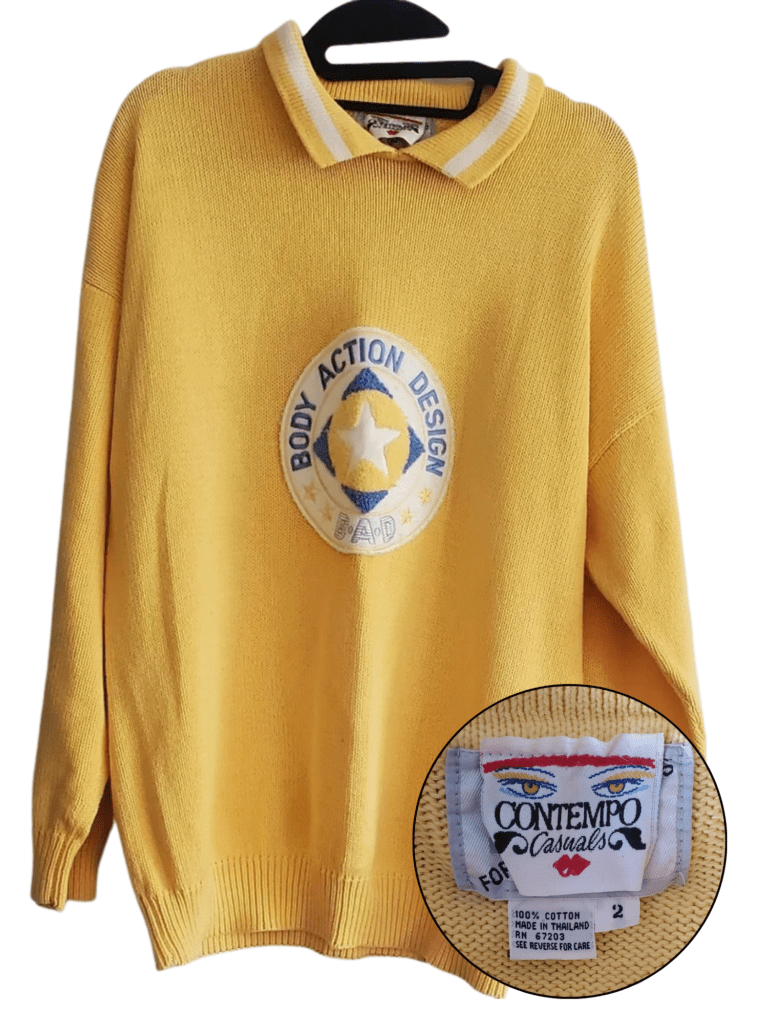
If you were a teen in the 70s, you may remember a mall staple known as Contempo Casuals. The company began in 1962 when a couple, Wil and Dottie Friedman, moved to Los Angeles from Salt Lake City, Utah. They had started liquidator business in 1960 and noticed women’s clothing was the fastest selling of their items. They bought more and finally opened their own boutique shop in the suburbs of Los Angeles. The style of both the shop and the clothing was bold and colorful, with a lean toward pop art. From the packaging to the outfits, the colors and graphics were meant to stand out and make a statement. As the company grew to 200 stores, the company’s own clothing label was listed as either Contempo or Contempo Casuals. The company was eventually sold and became the mall standard “Wet Seal”.
This was the era of large department stores. In order to stand out each one carried their own private label products. Clothing was always a big driver and each store had their own aesthetic and style. May Company, JC Penney, Mervyn’s, and K Mart all carried name brand clothing as well as Sears. You may remember brands such as Valerie Stevens at May Company, a line of contemporary classic women’s clothing suitable for work or weekend wear. JC Penney carried a line of work wear called Big Mac, while Mervyn’s carried the High Sierra line of casual weekend wear. K Mart had its own Route 66 brand of casual clothing as well.
Probably the most well known line of private label products from a department store was Sears Kenmore line of appliances. In fact when I bought my first home, I went to Sears and ordered the biggest washer and dryer they had to be delivered.
There are other store both mall staples and even grocery stores with private label brands you may have heard of. Every mall in the 1980s had Zales Jewellers. The company carried their own brand of watches that were affordable known as Baylor. The company at the time was the largest jewelry retail chain in the world with over 2000 stores under various company names including Bailey Banks & Biddle.
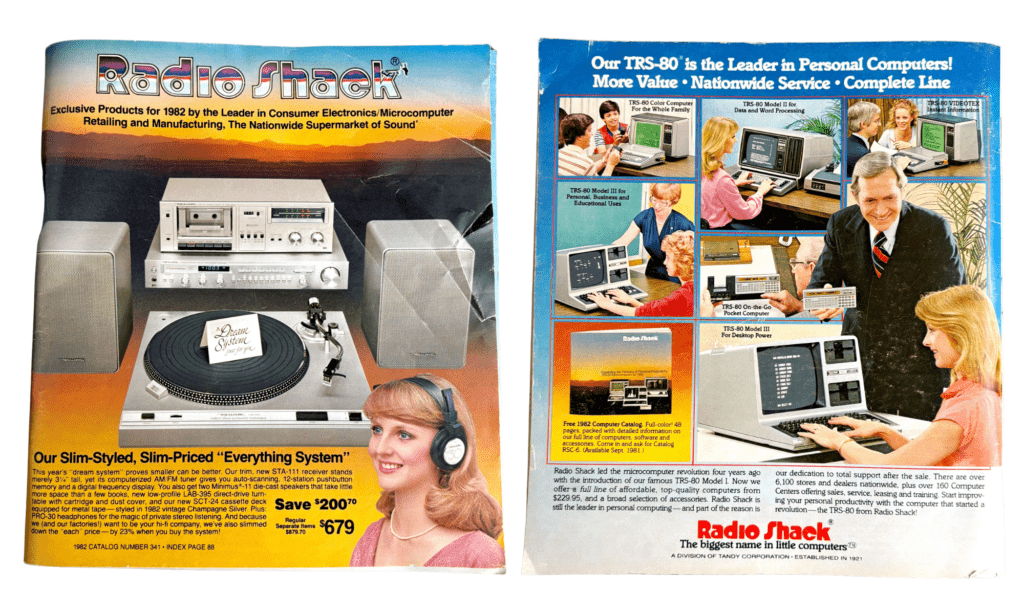
While these stores ruled the mall there was a small electronics company that grabbed the attention of hobbyists and radio buffs. Radio Shack gave the tinkerers of the world a place to purchase parts and build their own items as well as being able to buy retail electronics. The store brand Realistic was known to be reasonably priced and well made. Tandy Corporation bought the company in 1963. Although Tandy was a leather company, they helped Radio Shack create one of the first personal computers.
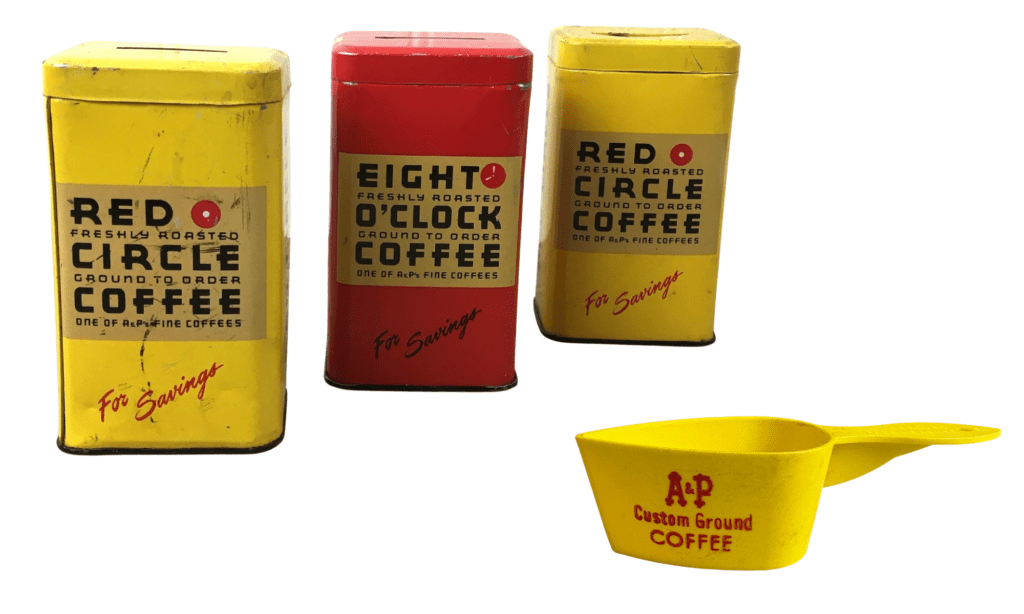
Even grocery stores got in on the private label bandwagon. Long before grocery items were sold as generic brands, Safeway and A&P both had their own house brands. Eight O’clock coffee was originally a private label brand only available at A&P grocery stores. Townhouse was Safeway’s house brand of dry goods and canned food. It was also used as the name of some of their smaller grocery stores.
Not all of these private label store brands were popular. Some may have even been obscure or never available in your area. Although nostalgia can be a strong indicator of what’s popular in the world of vintage. Many of the vintage clothing sites cater to folks looking for the brands they grew up with, in fact, often those same brands are coveted by the children of those same people. Vintage clothing has become a huge younger folks. Stop by your local flea market to see for yourself. Everything from vintage jeans and t-shirts to branded clothing from the 60s, 70s, 80s, and 90s. For the younger set, anything Y2K is hot right now. And those store brands are a part of that.