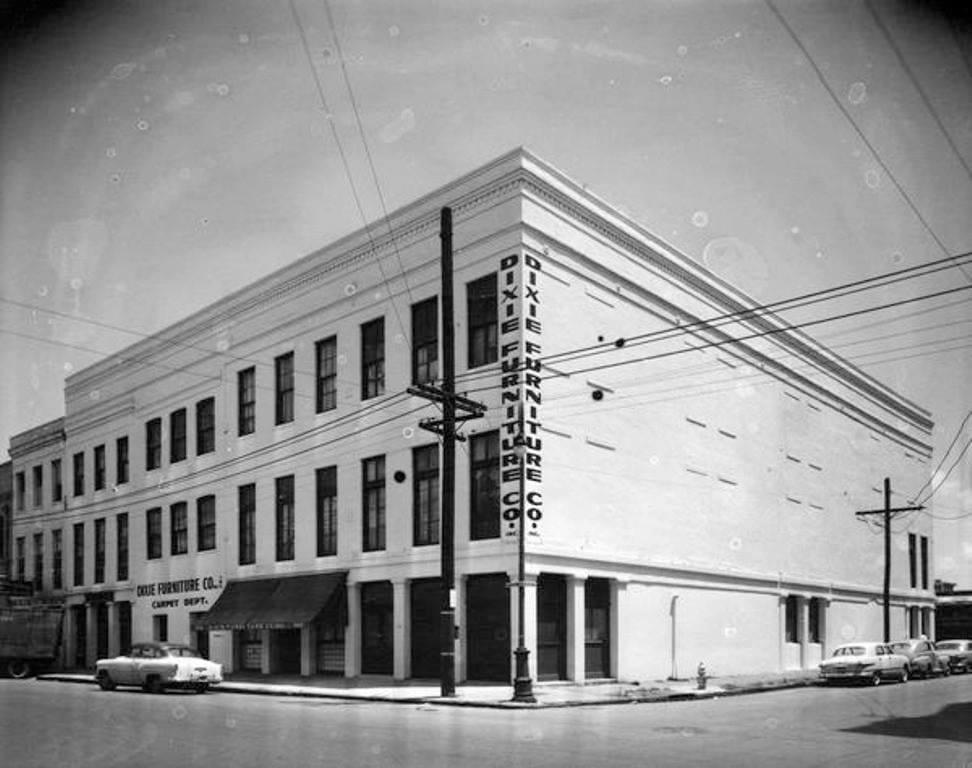
The story of Dixie furniture began in 1901, when a group of businessmen including E.J. Buchanan and Henry Link opened a furniture manufacturing business in Lexington, North Carolina. Lexington was a furniture manufacturing mecca thanks to the bounty of hardwood from the Appalachian forests, good shipping transport and a skilled local workforce. Buchanan was president of the company from 1901 until 1935, when Henry Link took over.
Under Buchanan’s leadership, Dixie was a small company among many furniture makers in the area. The company became known for producing oak and walnut bedroom furniture. With Link’s leadership, however, the company grew. Link organized a merger in 1936 between Dixie Furniture Company and Elk Furniture Company. He was inspired by Henry Ford’s automation of the automobile plant after visiting the Ford assembly factory in 1940 and retooled the factory, adding assembly automation including conveyors and mass production techniques. Faster manufacturing allowed Dixie add more product lines.
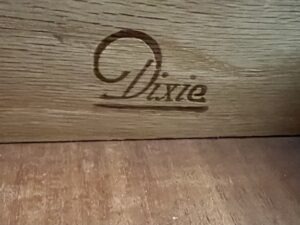
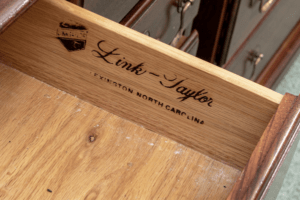
By the 1950s and 60s, there were four distinct product lines. Dixie, the original line, made medium priced bedroom and dining room furniture. Link-Taylor was the high end producer of bedroom and dining room furniture. Young-Hinkle became the specialized line creating boys’ bedroom furniture. Finally, Henry Link was the producer of girls’ bedroom furniture.
In 1987, Masco Corporation purchased the company and renamed it Lexington Furniture Industries. The Dixie name was discontinued and company merged the four lines into one. Today the company produces furniture under the names Lexington Home, Tommy Bahama, and Artistica Home along with other brands you may recognize.
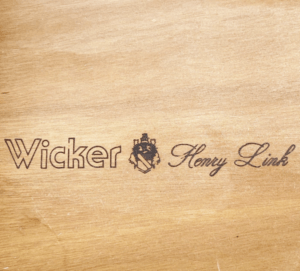
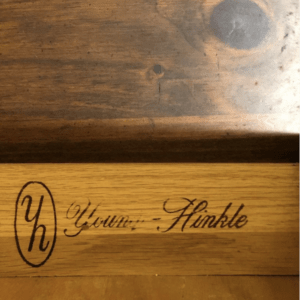
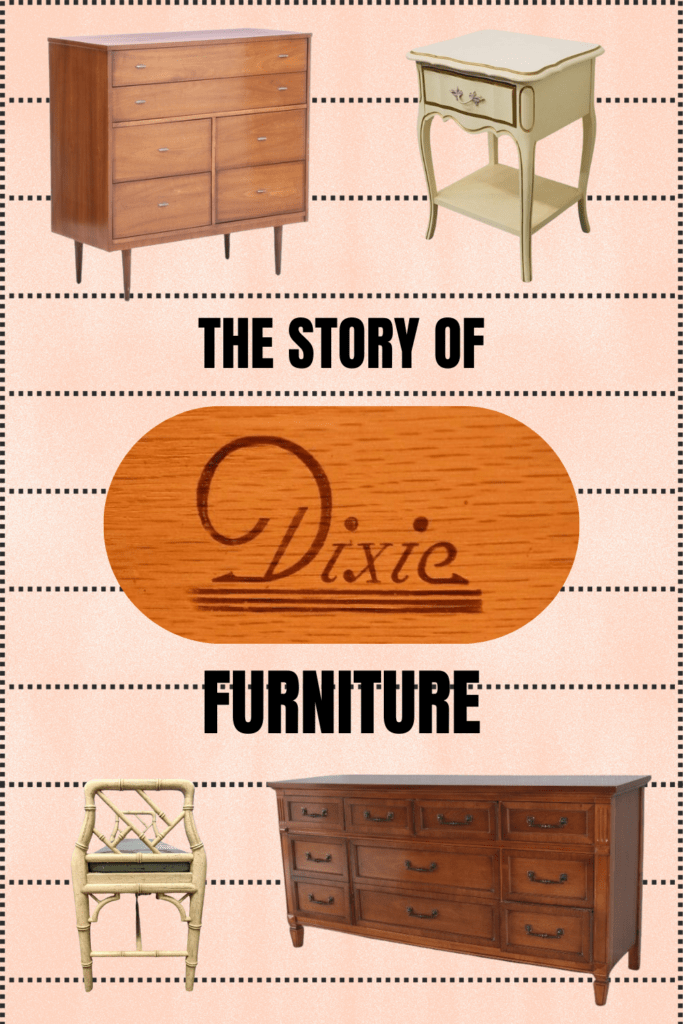
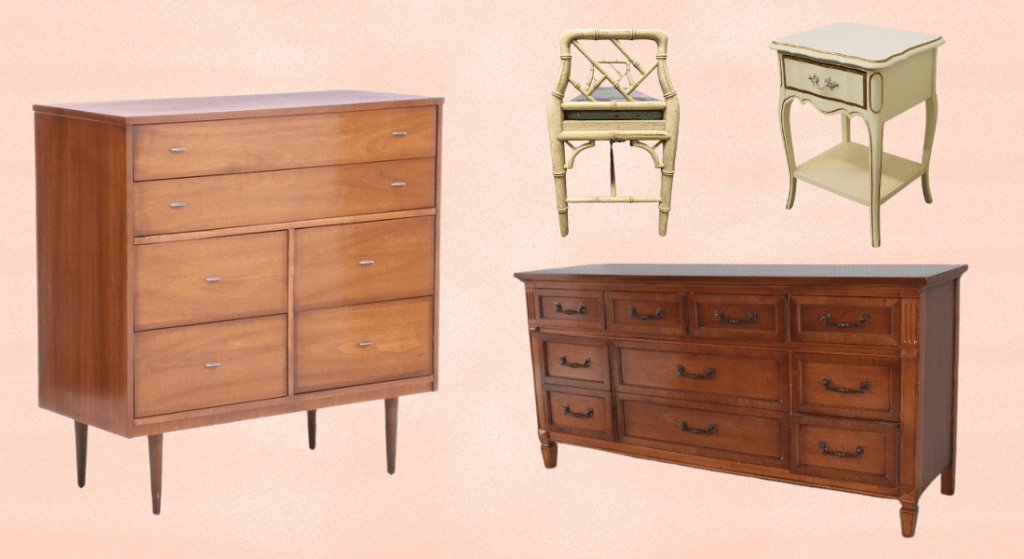
While Dixie Furniture produced many styles of furniture over the years, the most popular styles were French Provincial, Federal style, Bamboo Dixie Tahiti and Mid Century Modern.
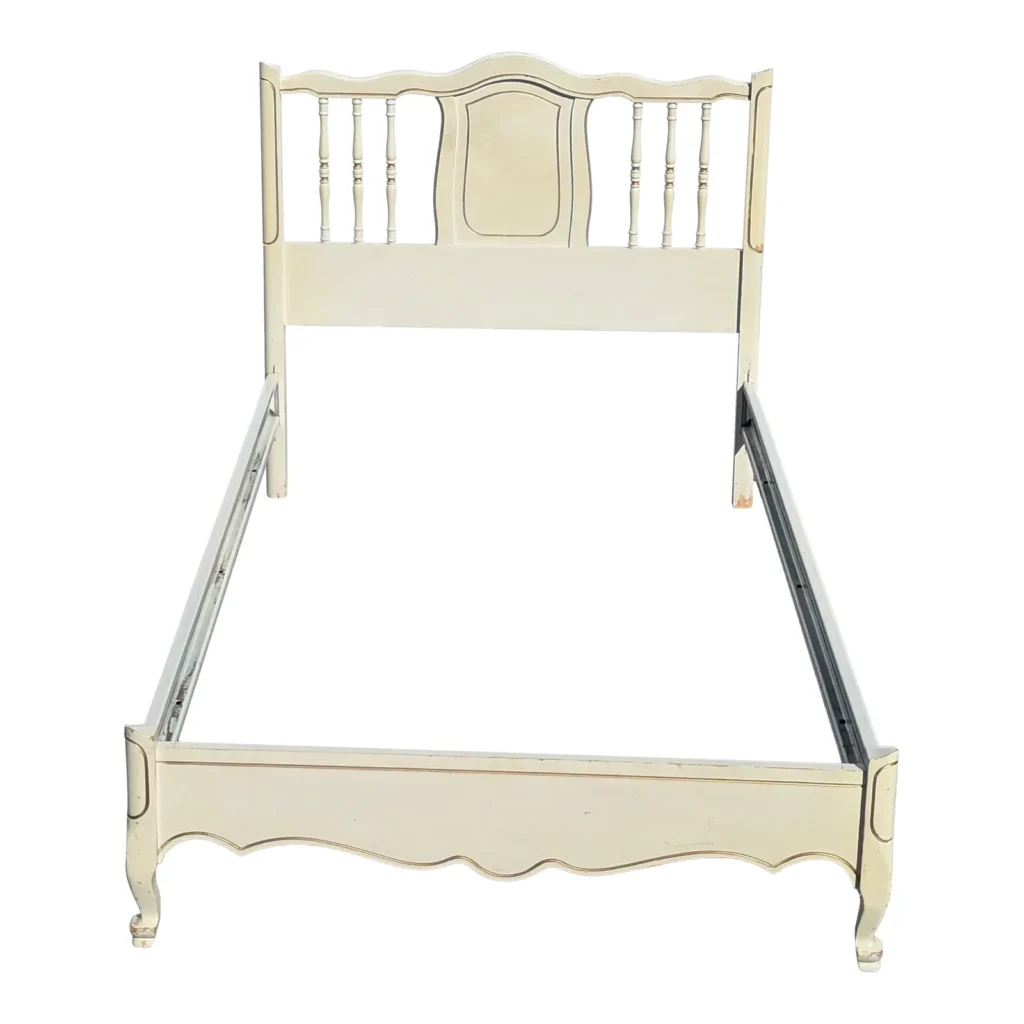
French Provincial was popular starting in the 1950s through to the 1990s. The feminine curves of this style were mostly produced in hardwood finishes, although by the 1960s white and light colored paint were introduced along with the gold painted trim. In the 1990s, Shabby Chic became popular and folks gravitated toward the softer lines and colors of Dixie’s French Provincial style.
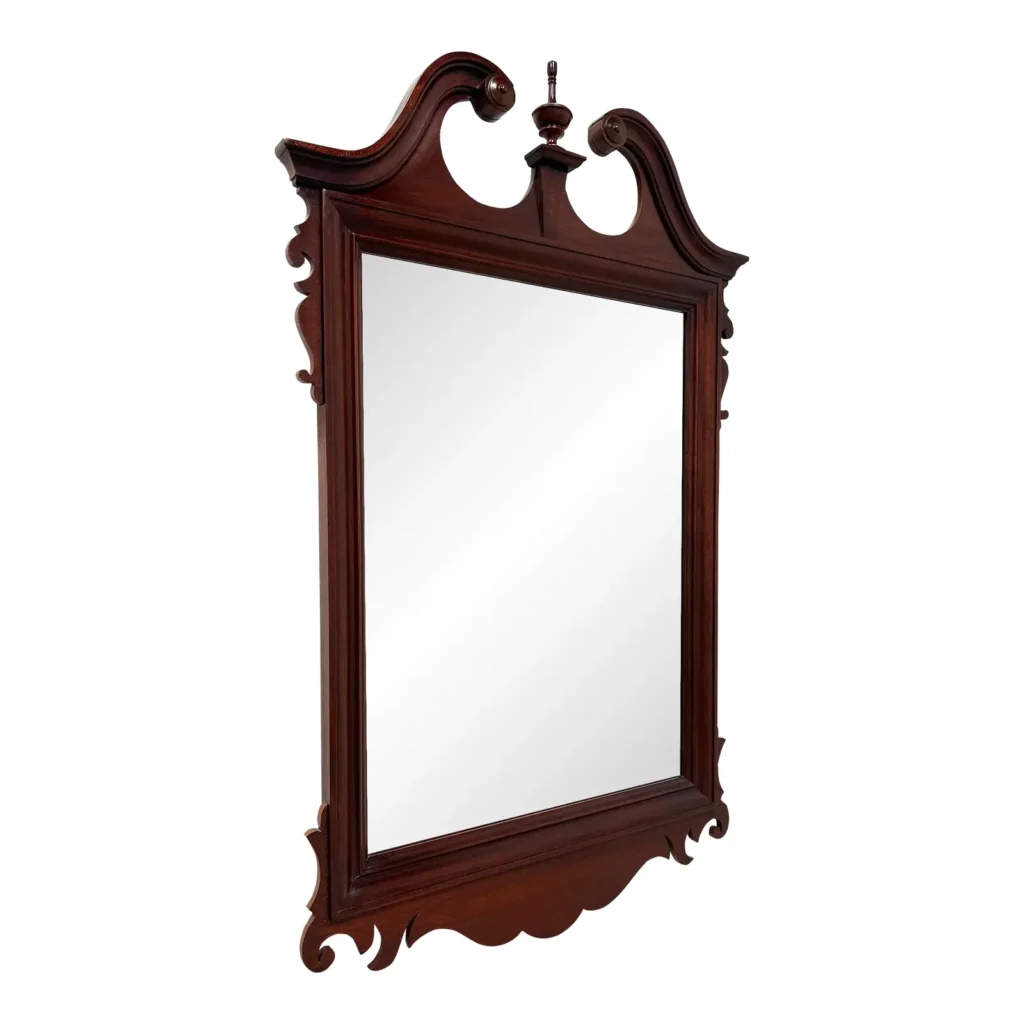
The 1940s brought a revival of Federal style furniture, and Dixie was right there alongside other manufacturers. One of their most popular styles was produced in mahogany or mahogany veneer over ash. Pieces had brass hardware and came in a large variety of sizes and shapes. Dining room sets often included shield back chair and Duncan Phyfe double pedestal tables.
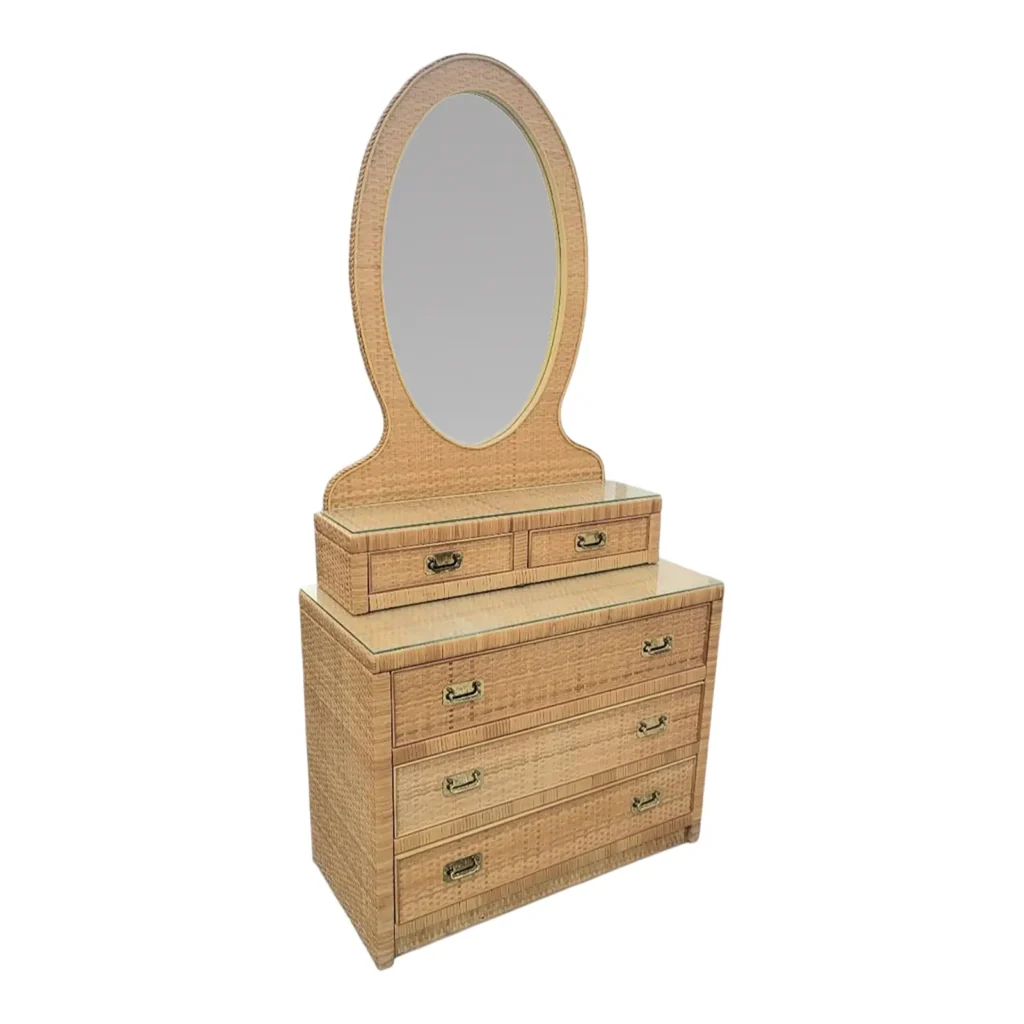
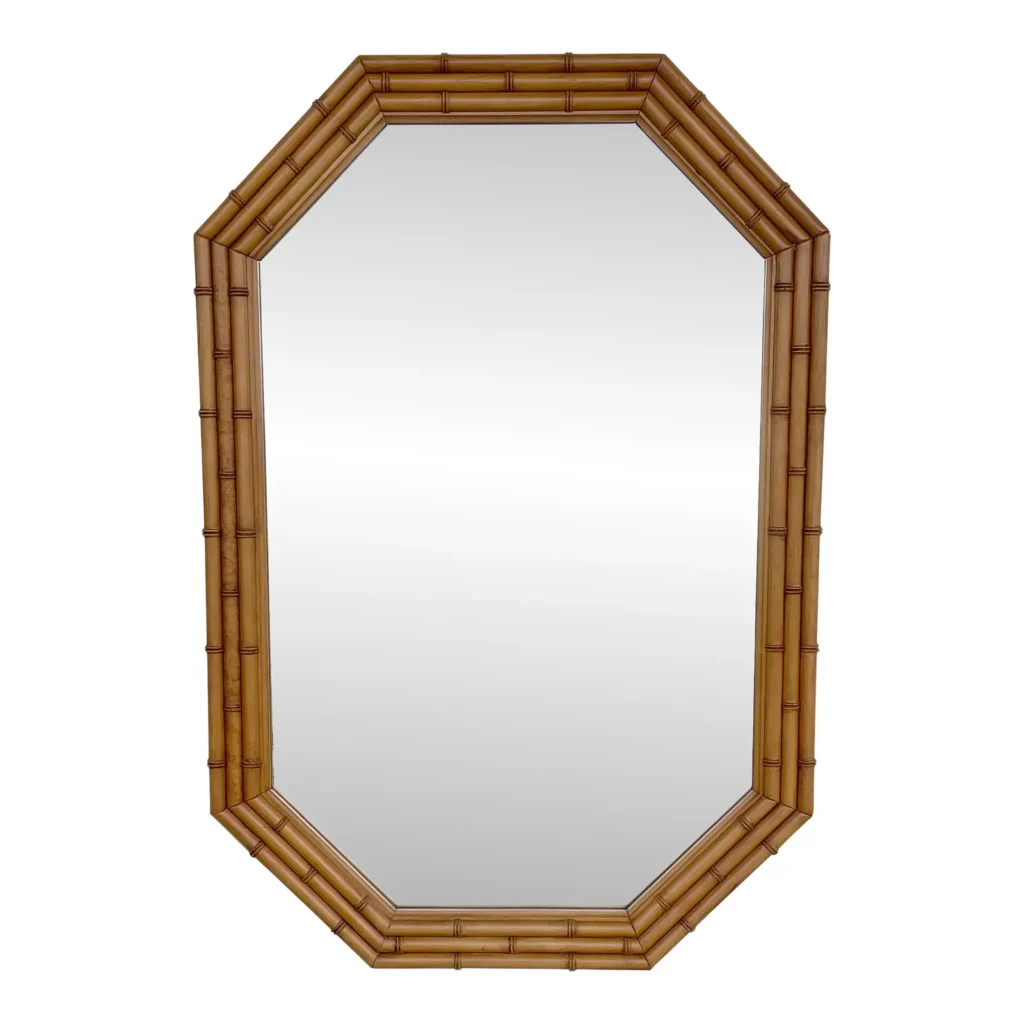
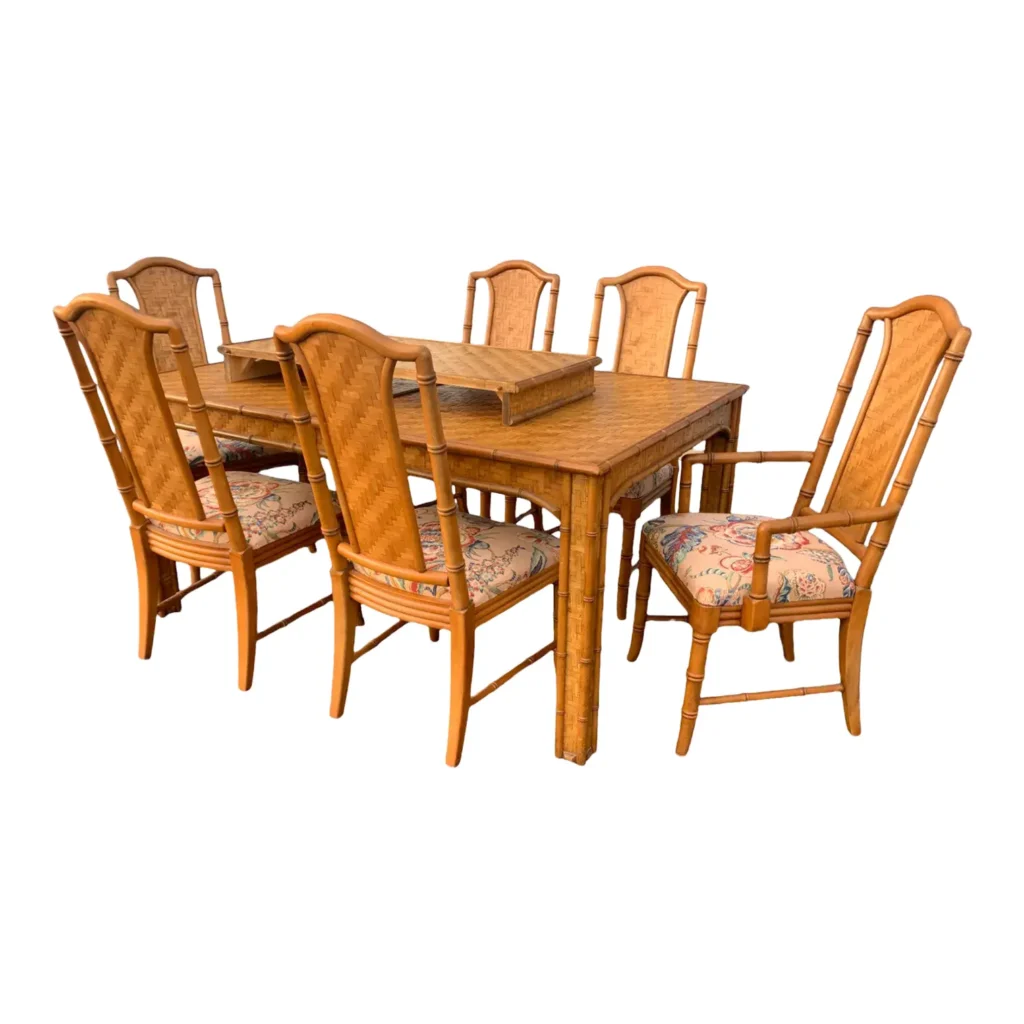
The 1950s through 1970s brought about tropical themes and Dixie began to produce their Bamboo Tahiti furniture. Bamboo look edging and lighter wood finishes created the tropical feel which worked well in more casual rooms such as dens, sun rooms, and enclosed patios.
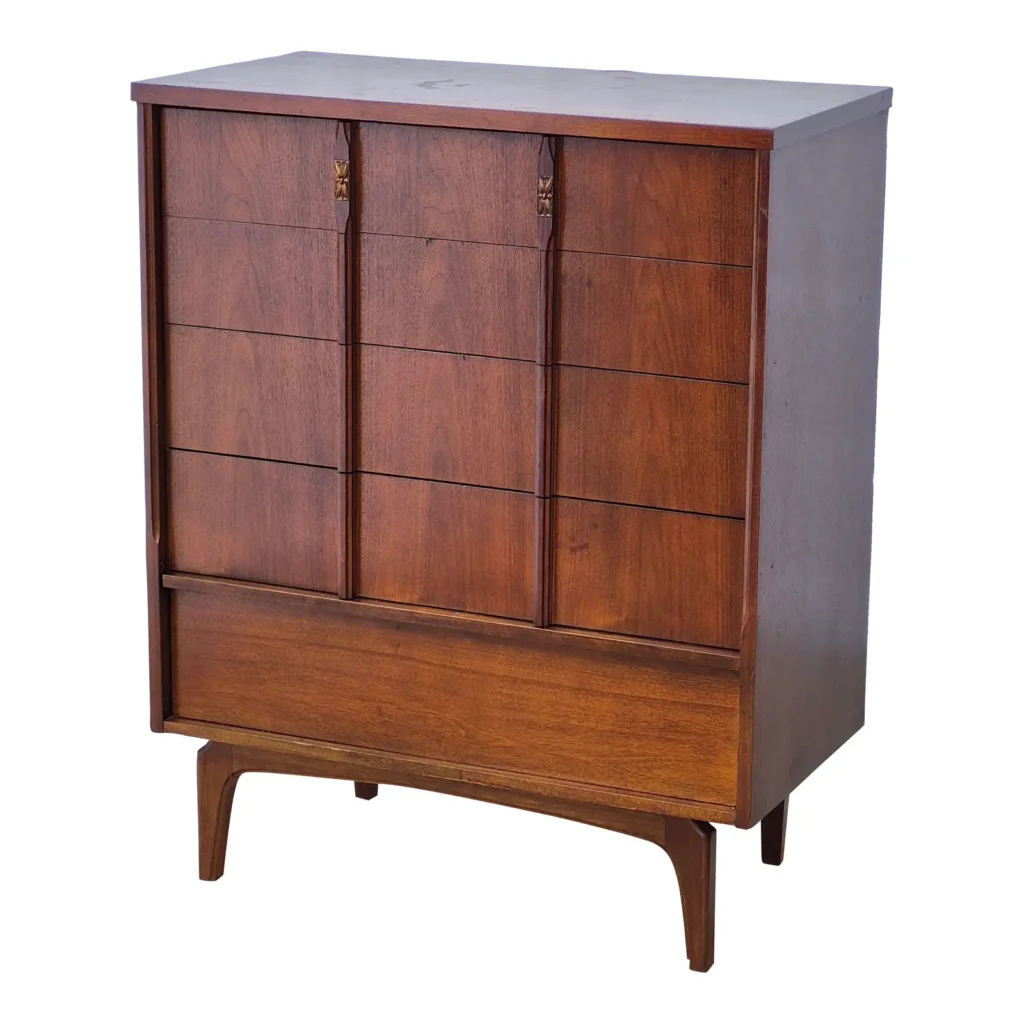
The 1950s and 60s, of course, brought about the clean sparse look of Mid Century Modern. Dixie responded by producing pieces with uncomplicated lines featuring straight legs, clean finishes, and pieces often without visible hardware. That look is still popular today.
You can read a bit more of the history of Dixie Furniture and view photographs of the assembly plants at the H. Lee Waters Photography site here.
Shop for Dixie: