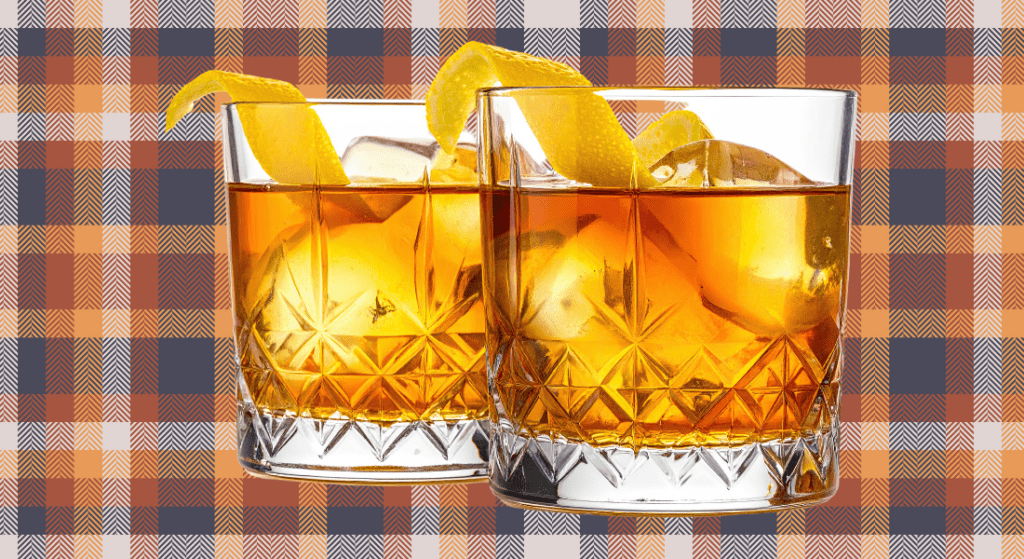
Though it’s a modern bar staple, the history of the Old Fashioned cocktail dates back to the mid 1880s. At least that’s when the name “Old Fashioned” entered the conversation. The drink recipe itself goes even back further.
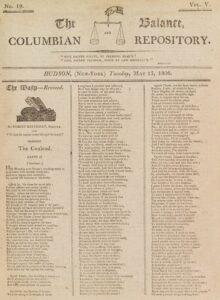 The Balance and Columbian Repository, a Hudson, NY newspaper, is cited as first print reference defining the term “cocktail” as “a stimulating liquor, composed of spirits of any kind, sugar, water, and bitters” in 1806. That’s the recipe for what we call an old fashioned, but no one called it that then. It was, quite simply, a “cocktail.”
You’re probably thinking that surely people drank cocktails before 1806. Not so much. They drank for sure. The history of alcoholic beverages goes way back, but the drinks were fermented, not distilled. From ancient times to the early Middle Ages (about the year 1000), beer, wine and mead were drunk. Distilling was considered alchemy, used for making perfumes and medicines in the Arabic world.
In the High Middle Ages (1000-1300), European monks and physicians started distilling early forms of brandy and grain alcohol. Called aqua vitae, it was used as medication and thought to have life lengthening powers. By the Late Middle Ages (1300-1500), drinking of brandy and grain spirits as medication had caught on. It was pretty rough tasting, so it wasn’t a recreational beverage…yet.
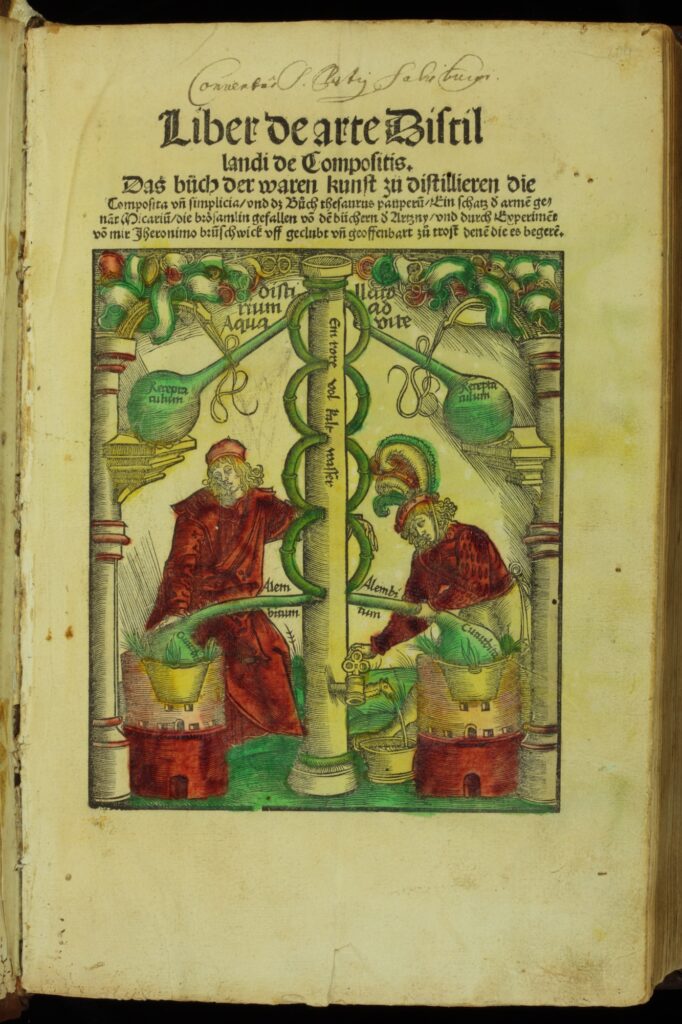
Alcoholic spirits started their grand evolution in the 1500s. Beer and wine were still the drinks of choice, but brandy and aqua vitae were common throughout Europe. Whiskey was made in Scotland and Ireland. And jenever, a precursor to gin, was being made in the Low Countries. These spirits were strong enough to peel paint and were still used as curatives, sometimes mixed with herbs and spices.
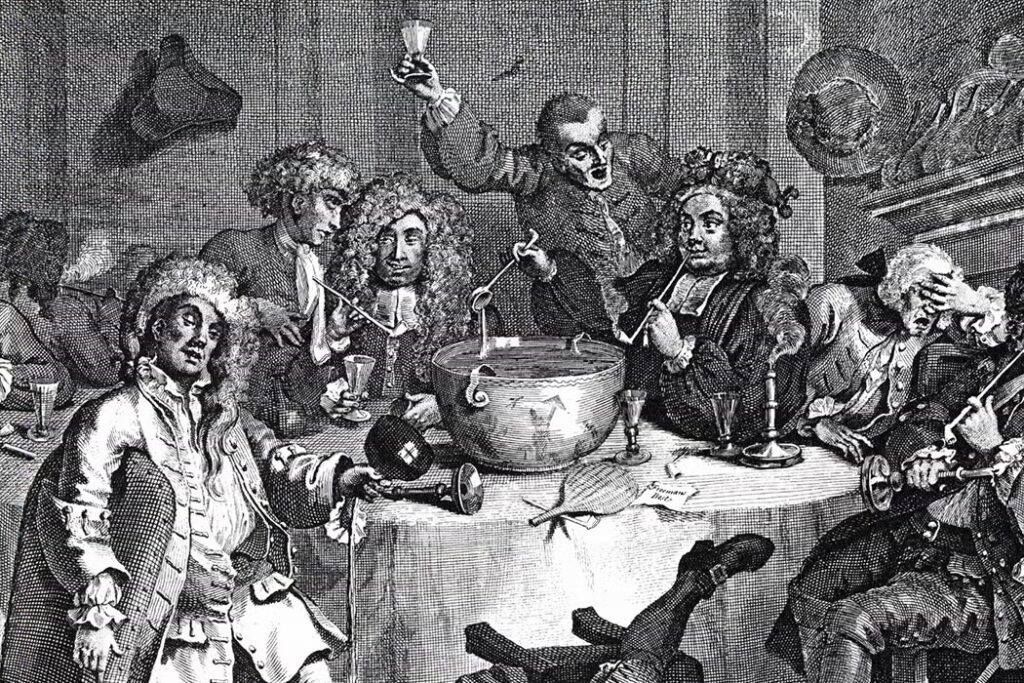
The 1600s was when alcohol burst forth as a tavern beverage and was consumed for pleasure in the form of punch. Punch was king for most of the 1600s-1700s, made with rum or brandy, some kind of citrus, water or tea, sugar and spices. Punch was considered sophisticated, and the process of mixing it was ritualized. Modern cocktail basics have roots in punch culture.
There were individual drinks made by the cup in the 1700s: slings (spirits, sugar, water), toddies (spirits, sugar, hot water, spices) and grog (rum, water, lime). Juleps (brandy or rum, sugar, herbs) joined the lineup in the late 1700s. All these were considered medicinal.
And those five paragraphs bring us back to 1806, the drinking of spirits for pleasure, and the history of the old fashioned cocktail. As I said before, there was one cocktail recipe: spirit, sugar, bitters and water. These early nameless old fashioneds were made with brandy, gin, rye or bourbon as the spirit. Rye and bourbon eventually became the dominant, except in Wisconsin, but we’re getting ahead of ourselves with that detail.
How did the drink get it’s name? By the mid 1800s, bartenders were experimenting beyond that standard cocktail recipe, adding syrups, curaçao and absinthe. But not everyone was thrilled with these newfangled innovations and would ask the barkeep for an “old fashioned” cocktail. At least that’s one theory. The name and the specific recipe officially appeared in bar manuals in the 1880s.
The “fruit salad” old fashioned was born during prohibition. An orange slice and maraschino cherry were muddled in to ameliorate the tooth enamel dissolving taste of the rotgut liquor. Fruit salad style stayed on right through the 1970s. Sweet drinks were the order of the day and old fashioned recipes were amended to stay hip and cool with popular tastes. The recipe for a standard “sweet” 1950s old fashioned would be:
- whiskey or brandy
- a sugar cube or simple syrup
- bitters
- a muddled orange slice and maraschino cherry
- a topping of soda water, ginger ale or 7-up
In addition to the sweet version, there was also the “sour,” topped with sour mix or lemon soda and “press,” topped with half soda water and half lemon-lime soda. This sweeter old fashioned was not liquor forward, so casual drinkers preferred it. Plainly put, there was still a drink called the old fashioned, it had been doodadded up with other additives.
But even in those fruited times, the classic was not forgotten. This mid century recipe from an Angostura Bitters bartender’s guide still has the drink as we know it now, but opens it up to the possibility of using other spirits besides rye and bourbon.
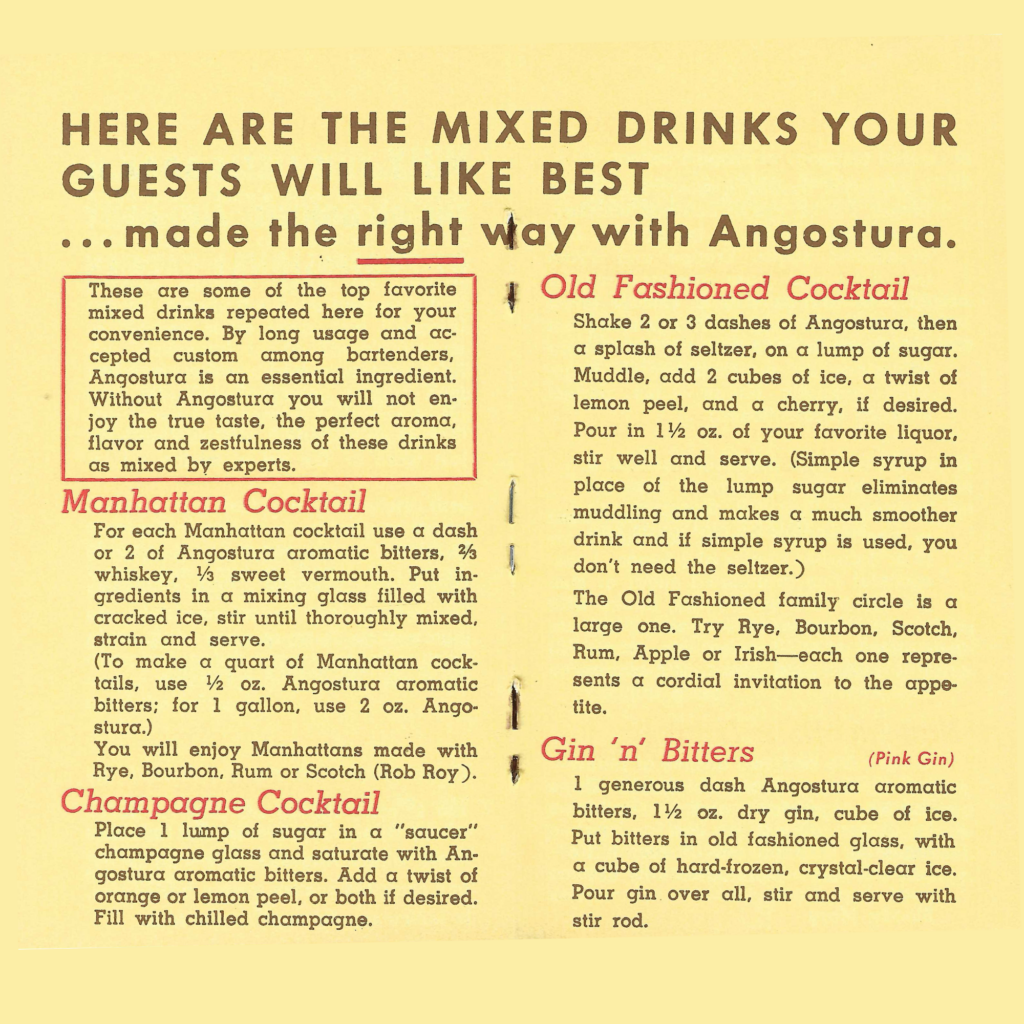
The old fashioned drifted into irrelevance during the 80s and 90s. The 80s were owned by the piña colada and the Long Island Iced Tea, and the 90s were the martini era, with its queen, the Cosmopolitan. But the history of the old fashioned cocktail has a happy ending. The craft cocktail movement, starting about 2000, restored the old fashioned to its simpler form à la the early 1800s, with proper ingredients and polished anew its former glory. It is now considered a benchmark classic American cocktail, perhaps the most popular classic based on the number of Google searches. The old fashioned is a perfect example of history repeating itself in a good way.
Addendum 1: Origin of the word “cocktail.”
There are many theories about where the word “cocktail” came from. It’s generally agreed it was common as slang well before it appeared in print in 1806. The most likely inspiration was a horse with what we now call a “docked” tail, that was then called a “cock-tailed” horse. The horse might have been extra lively because an unscrupulous trader had “gingered” it, putting some ginger or cayenne pepper in its rectum to make it act livelier. (That would certainly make me lively.) Somehow, that stimulated and stimulating type of horse gave us the name “cocktail.”
Addendum 2: The Wisconsin Brandy Old Fashioned
When others moved on from old fashioneds made with brandy, Wisconsin proudly retained to their brandy tradition. In 2023, the Brandy Old Fashioned was named the official cocktail of Wisconsin. It is in the fruit salad old fashioned vein and is much beloved in the state. Who are we to tell 5.9 million Wisconsinites they’re wrong? Here are links to a few different recipes:
Sweet, Sour or Press: Your Guide to the Wisconsin Old Fashioned, Food52.com
Build your own Wisconsin Old Fashioned, Midwesterner.org
The Best Wisconsin Old Fashioned Recipe, andersericson.com